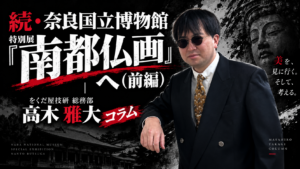


Visiting the Nara National Museum Special Exhibition "Buddhist Paintings of Nanto" (Part 1)
Thank you for reading this article.
This is Takaki from the General Affairs Department. Although this is a personal topic, I recently went to see the special exhibition “Buddhist Paintings of Nanto” at the Nara National Museum.
(Exhibition dates – July 18 to September 13, 2026)
I will share my experience along with the sights from the journey.
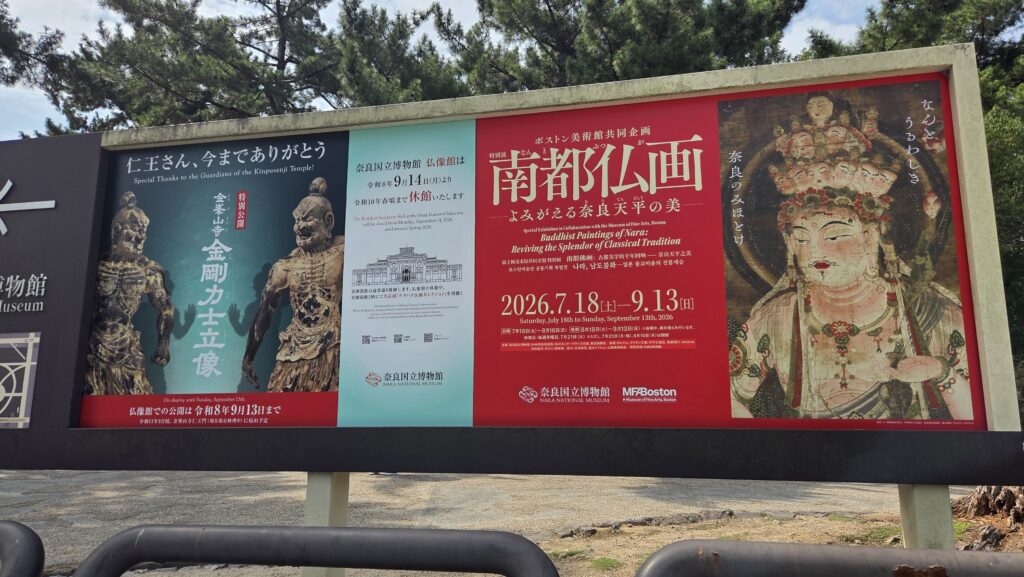
<Introduction>
The Nara National Museum (commonly known as Narahaku) is located within Nara Park, world-renowned for its “Nara deer”.
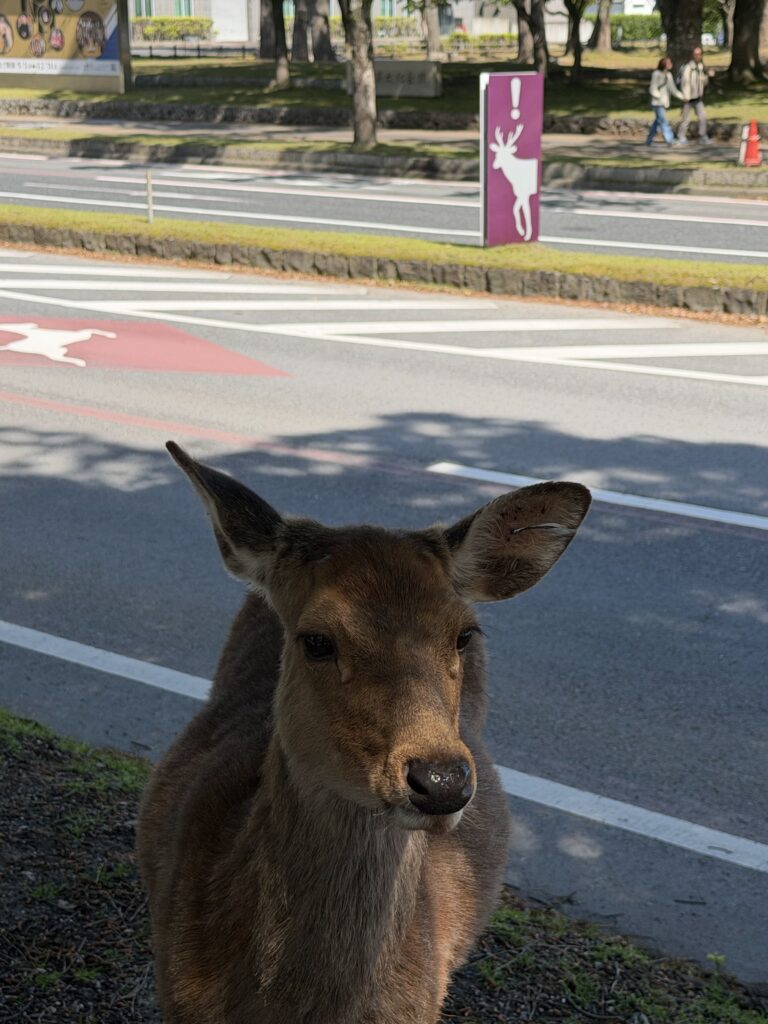
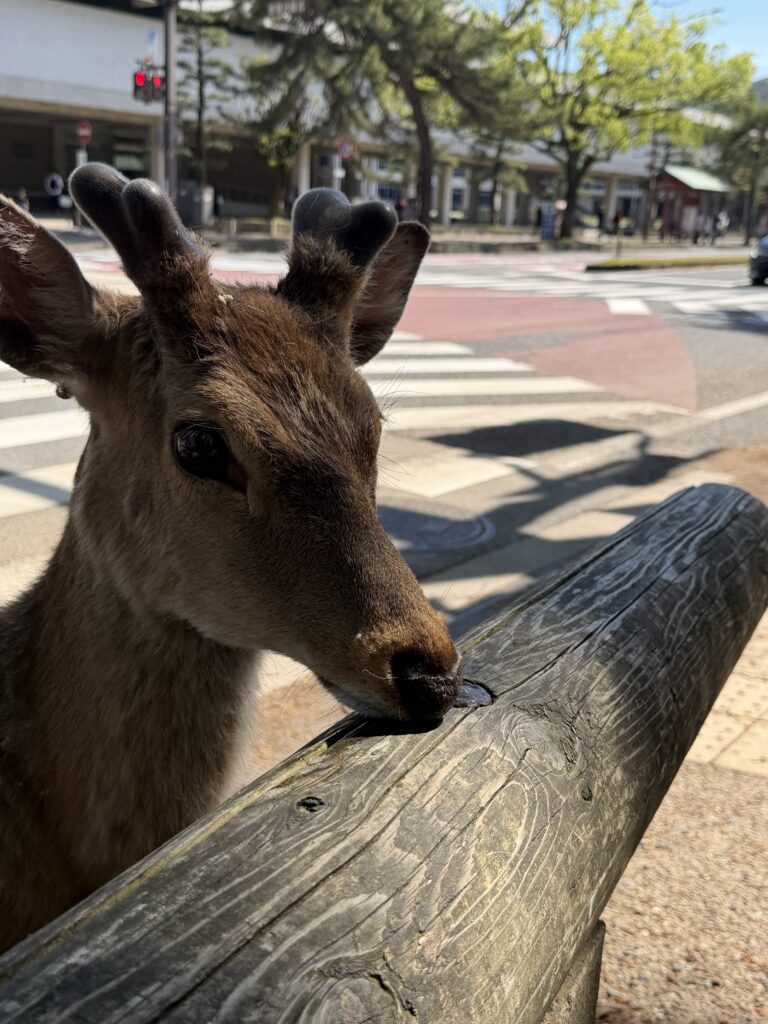
Here are the familiar Nara deer.
Getting back on topic, Narahaku is one of Japan’s four national museums.
(The four being in Tokyo, Kyoto, Nara, and Kyushu.)
Narahaku is known for its excellence in Eastern art, with a focus on Buddhism.
Having been interested in Buddhist art during my student days, I still occasionally visit shrines, temples, and museums. I visited this exhibition with that same casual mindset.
<On the Way>
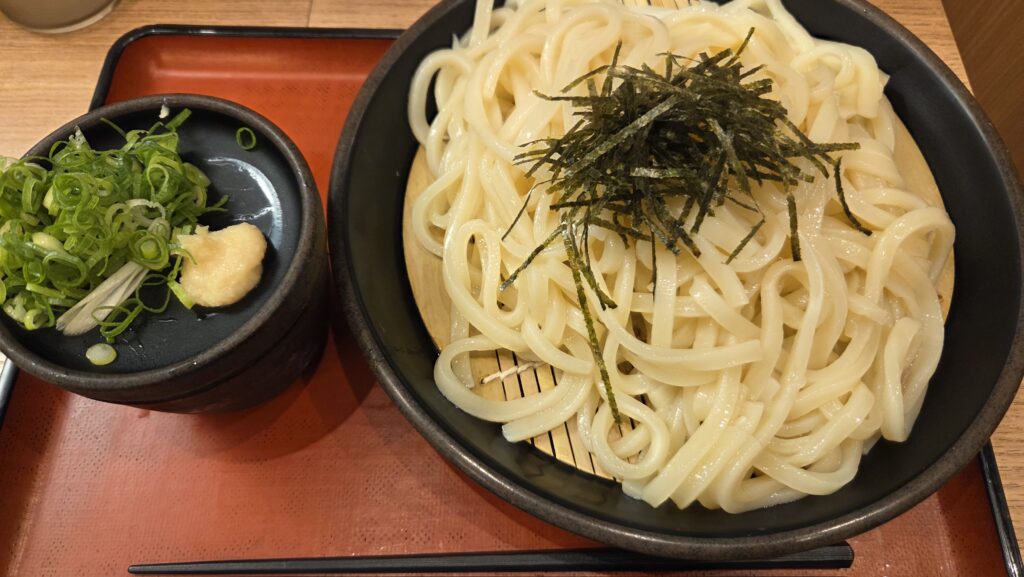
For breakfast, I had two servings of Zaru Udon (chilled udon noodles) at a stand-up noodle shop inside the station. It really helped cool down my hot body.
There are various ways to access Nara Park (Nara City) from Osaka where I live, but this time I took the Kintetsu Nara Line.
It is a railway line I am very familiar with, as I used to take it to commute to school.
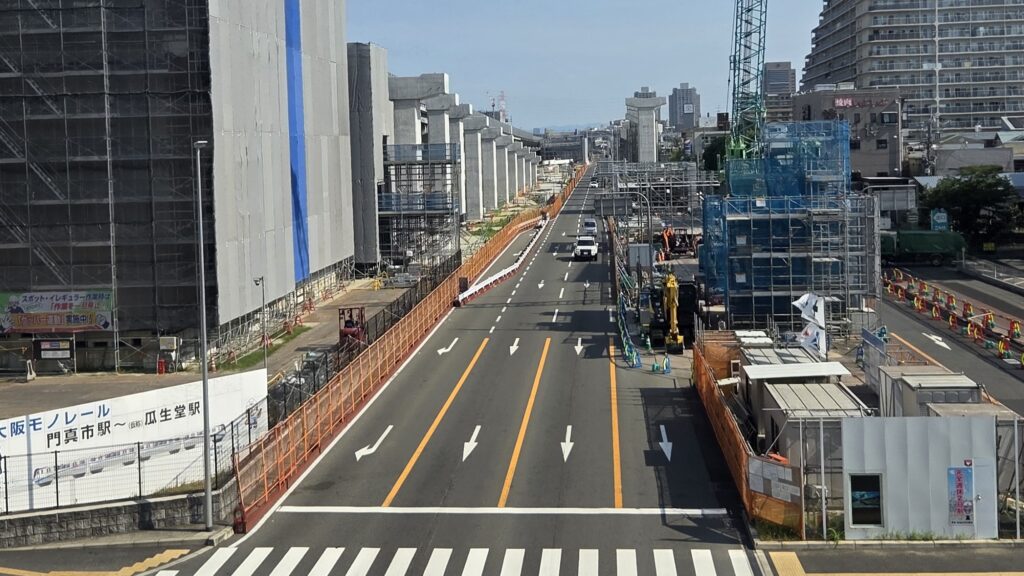
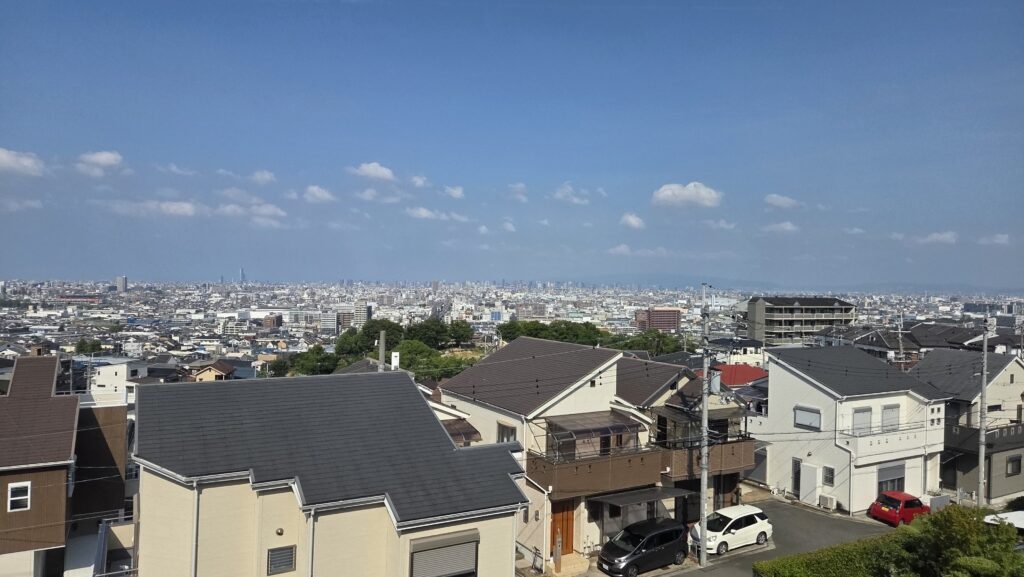
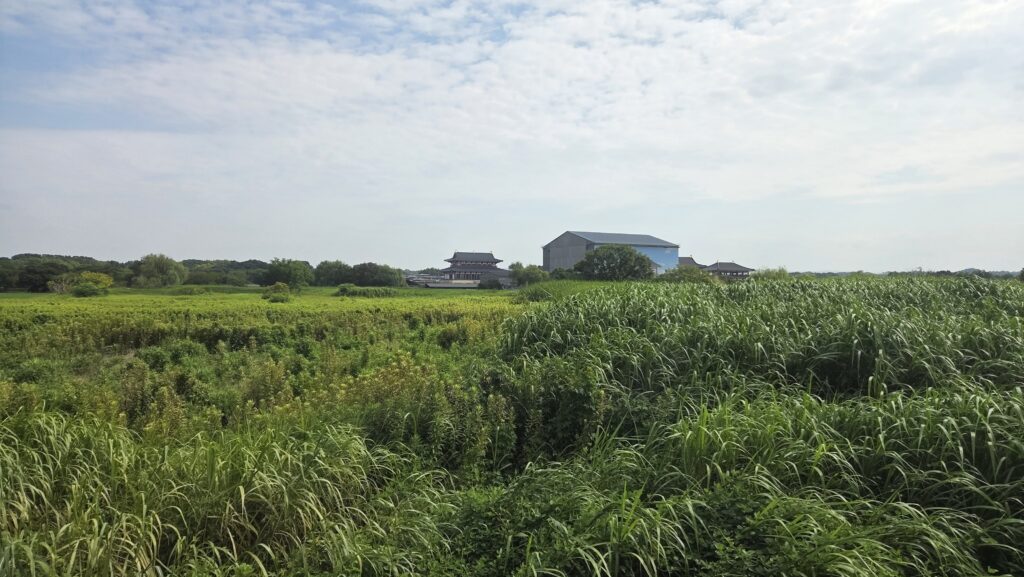
From the train window on the Nara Line, you can see a variety of scenery such as the ongoing extension work of the Osaka Monorail, the Osaka Plain from halfway up Mount Ikoma, and the Heijo Palace remains currently undergoing restoration.
That is the true joy of train travel, isn’t it?
Upon arriving at Nara Park, I made my way to Narahaku, passing by groups of lounging deer.
Along the route, you will naturally see Kofukuji Temple, as well as the Nara Prefectural Government building.
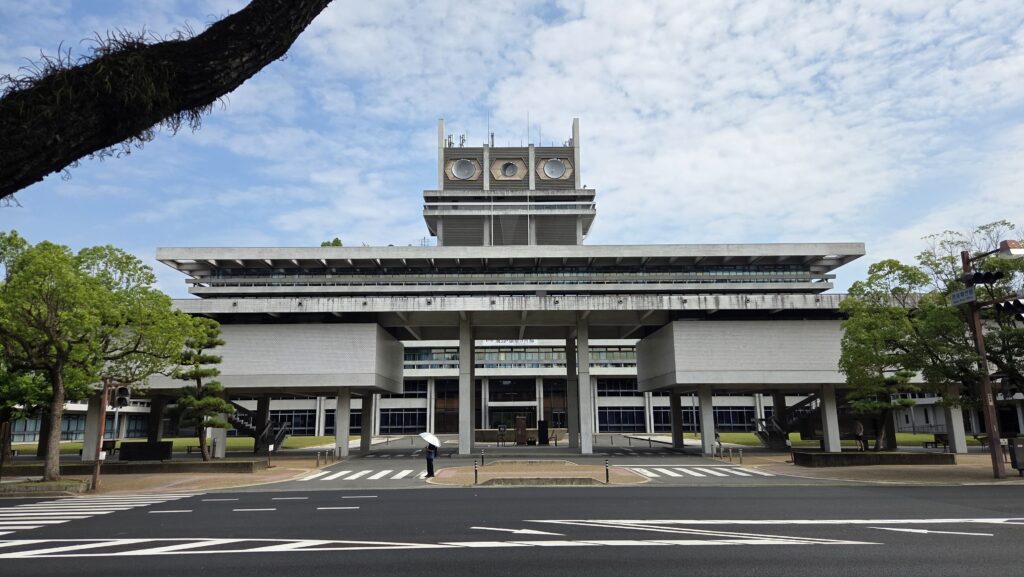
This is a masterpiece designed by architect Mitsuo Katayama.
Alongside Kenzo Tange, Mr. Katayama is known as a leading figure in post-war modernist architecture.
The cafeteria operating inside the building on weekdays is apparently well known locally for being both affordable and delicious.
<Arriving at Narahaku>
I arrived at Narahaku a little before the opening time of 9:30 AM.
There was hardly any line, so I was able to enter smoothly.
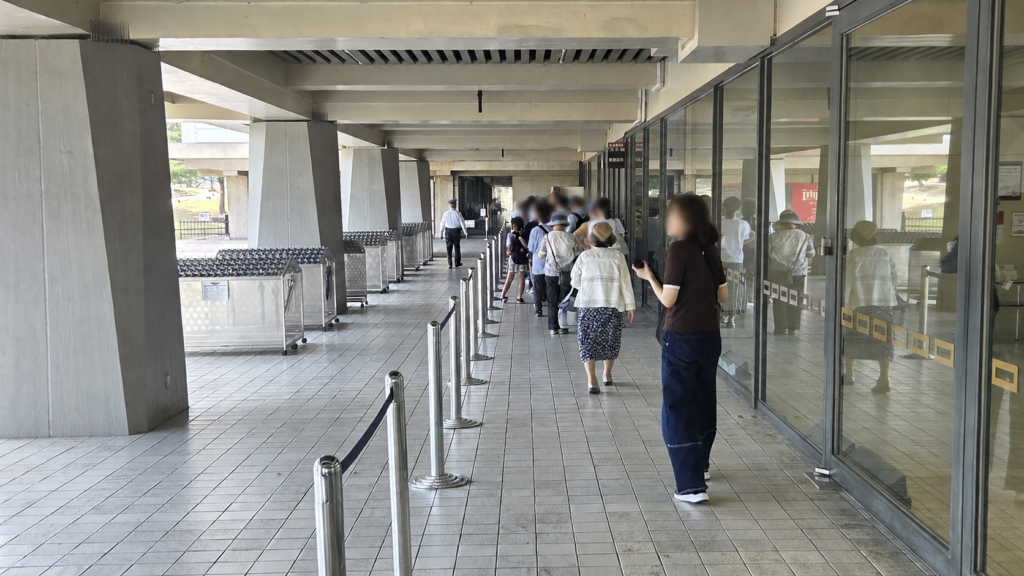
Seeing this sparse crowd, you might wonder, “Isn’t it always like this?”
However, during the previous special exhibition, “The Sacred Mountains of Yoshino and Omine—Prayers and Beauty Dedicated to Zao Gongen,” word-of-mouth spread as the exhibition progressed, drawing in huge crowds and concluding with tremendous success. It really reminded me that we are living in the age of social media.
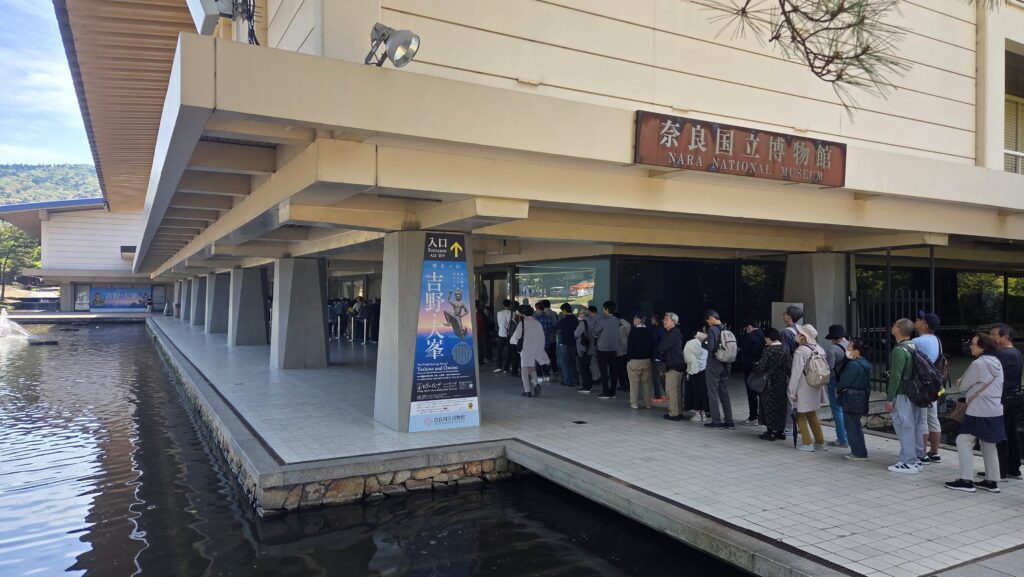
With all of that, the word count has grown quite a bit (my introduction was a bit too long…), so I will share my impressions of the exhibition in Part 2!
Thank you very much for reading this far.
Author –
Okudaya Giken Co., Ltd.
General Affairs Department
Masahiro Takaki

-
 Spotlighting the Changzhou OPK Welding Team (Part 1)
-
Visiting the Nara National Museum Special Exhibition "Buddhist Paintings of Nanto" (Part 2)

Author of this article

Related articles
-
Full Moon of Mid-Autumn, Together Towards a Beautiful Future
-
Part 2:Visiting the Nara National Museum Special Exhibition “Buddhist Paintings of Nanto” (Part 1)
-
Album I Was Into Back Then:⑦Antidotes(Foals)
-
Visiting the Nara National Museum Special Exhibition “Buddhist Paintings of Nanto” (Part 2)
-
“How Many Standard Models Does Okudaya Giken Offer?” We Asked Our Employees.
-
Album I Was Into Back Then:⑥Hi-Fi Shinsho (Sotaisei Riron)
-
Department Introduction: Manufacturing Section 1, Painting Team
-
My Children