

The Way We Work — Then and Now: A Look Back Over 25 Years
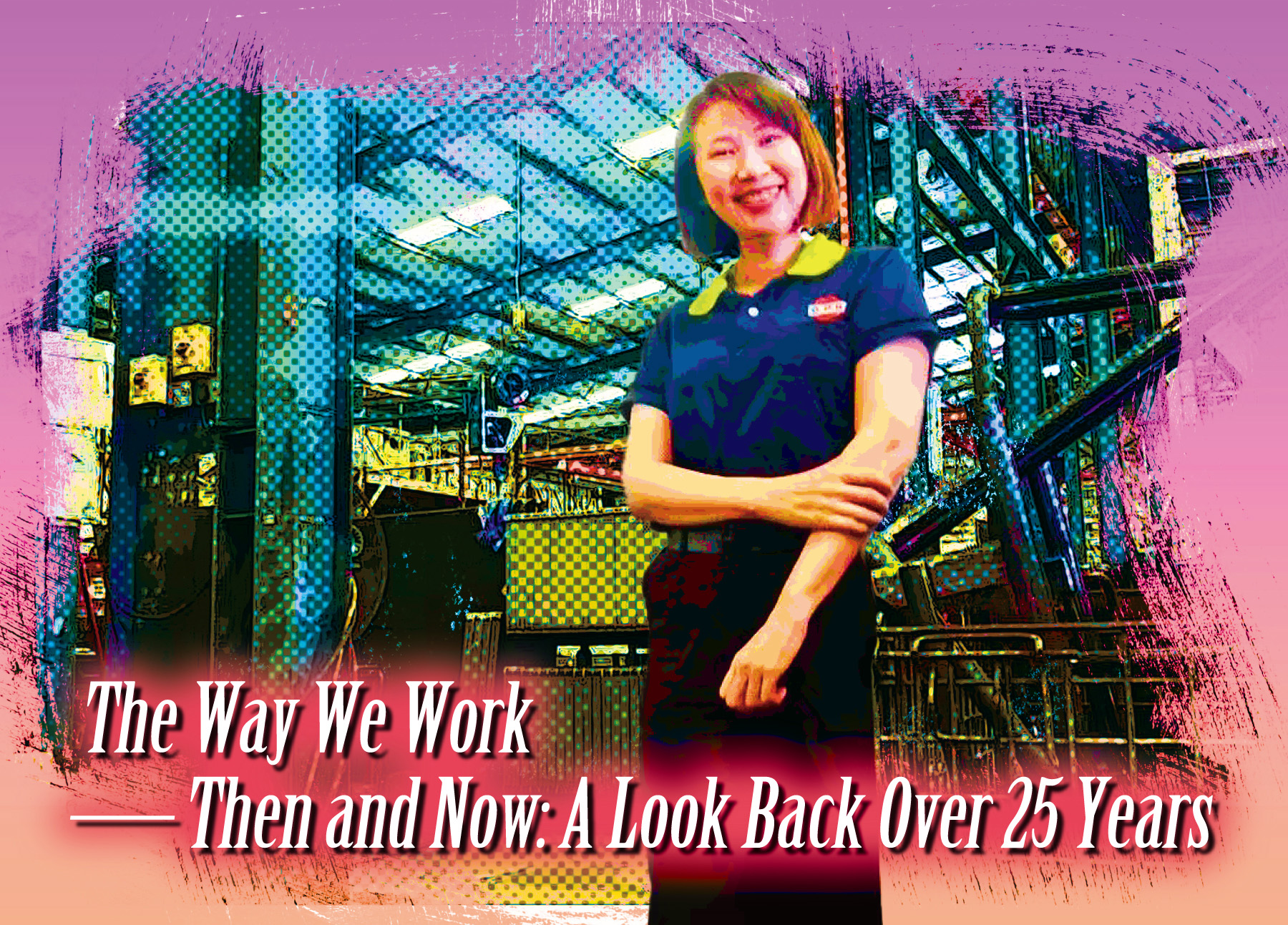
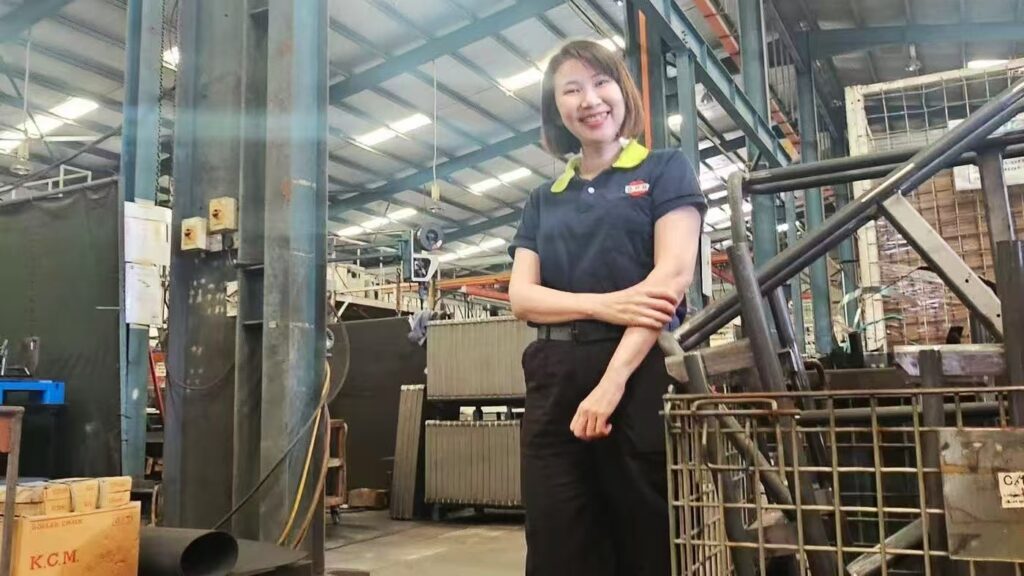
My name is Jessica Kong, from OPK Marketing Services Sdn. Bhd. (OMS), the marketing arm of OIC in Malaysia. As at November 2025, I reached my 25th year with the company. For colleagues in Japan and China who may not know me well, I have been involved in sales and marketing for OPK & OIC products in Malaysia since 2000, working closely with our factories and overseas offices.
Over the past 25 years, the way we work — in the office, in the field, and across countries — has changed dramatically.
Technology, communication, and workplace culture have transformed our daily routines, making our work faster, safer, and more efficient than ever before.
Office Tools
Then:
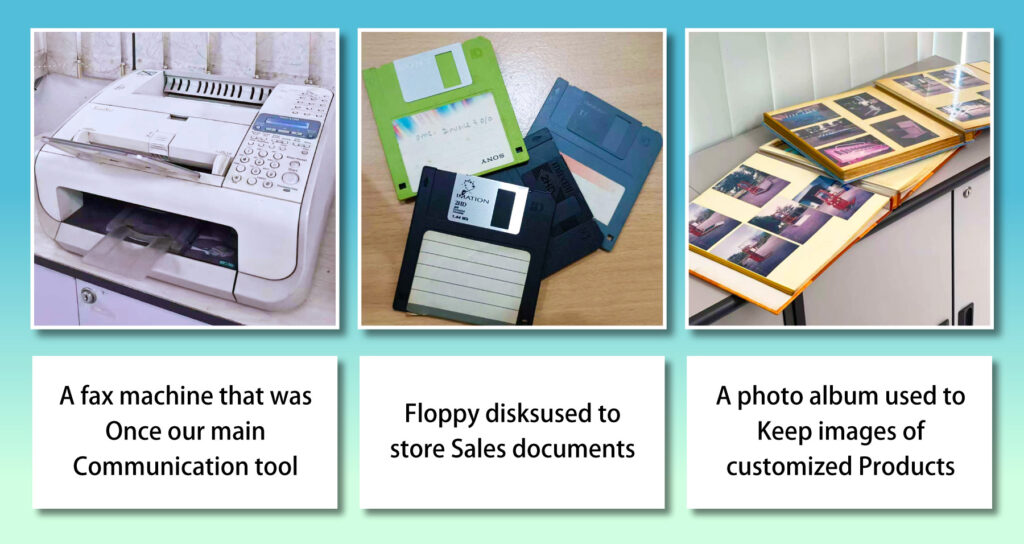
We shared desktop computer among several colleagues, taking turns to complete our tasks. Each person kept their files on their own floppy disk — like our little “storage locker.” Losing a disk or having a file corrupted was a nightmare; the data was gone, sometimes forever.
To send documents to customers, suppliers or overseas office, we relied on the fax machine, listening for the familiar beeping sound and hoping the paper wouldn’t jam halfway.
Now:
Today, every employee has their own laptop or desktop. With shared online drives, we can work from anywhere and access files instantly. Emails and cloud platforms have completely replaced fax machines, speeding up our work, and without the stress of paper jams.
Documentation and Systems
Then:
Managing documents was a real challenge. Data were handled manually using Word or Excel files. Every quotation and invoice had to be prepared in Excel, and all document numbers were recorded by hand. If a number was missing or a mistake happened, it could take ages to track down and fix. It felt like detective work just to make sure everything was correct!
Now:
Thanks to integrated systems, all that detective work is a thing of the past. Data is stored automatically, document numbers generate instantly, and errors are minimized. What used to take hours can now be done in minutes—freeing us to focus on what really matters.
Communication
Then:
Communication relied mainly on desk phones, face-to-face meetings or official letters. Important messages were passed through phone calls or handwritten memos, and reaching the person in charge could take time — especially if they were away from their desk or out of the office.
Now:
Today, communication is almost instantaneous. Instead of waiting for letters or chasing someone by phone, we can reach colleagues and customers through mobile phones, messaging apps like WhatsApp, Line, and WeChat, or online platforms such as Zoom and Teams. Whether we need a quick clarification or a full meeting, everything can be done in real time — even when everyone is scattered across different countries.
On the Road for Sales Visits
Then:
We rely on paper maps, desktop Google searches before each visit, or even asking local people for directions. Sometimes we depended on memory from previous visits — which wasn’t always reliable. I still remember one incident where I was supposed to turn left after passing a big tree. When I went again, the tree had been cut down… and I ended up completely lost!
Now:
Today, GPS apps give us accurate directions and help us plan our routes much more efficiently. With real-time navigation, reaching the destination is now faster, easier, and far less stressful – though it’s a bit less exciting than my “lost tree” adventures!
Customized Product Records
Then:
Photos of customized products were kept in physical photo albums. I would take pictures of each custom-made product before delivery, print them out, and file them in albums organized by customer names. When another customer requested the same design, I had to flip through the album to find the right photos — a time-consuming process.
Now:
With digital storage, we can save and retrieve product data in seconds. Photos and records can be instantly shared via online drives or email, making our workflow faster and far easier to organize.
Safety Awareness
Then:
It was once quite common to see visitors and even office staff entering factories in casual shoes or high heels. I still remember that at the time, safety rules here were not as strict, and I often wore my high heels into customers’ production areas. Looking back, it was actually quite risky and something that seems impossible today — I’m thankful I never slipped or fell!
Now:
Today, workplace safety is taken very seriously. Safety shoes, helmets, and other protective gear are standard for everyone entering production areas. This change not only protects our well-being but also demonstrates a shared commitment to maintaining a safe and responsible work environment.
Customer Payments
Then:
Payments from customers were often made in cash or by cheque. I remember my colleagues from the Finance Department having to go to the bank to deposit them, sometimes carrying large amounts of cash by hand. This was not only inconvenient but also risky, as there was always a concern about safety. It was also a hassle to find parking near the bank, and the long queues made the process even more time-consuming.
Now:
Today, online banking and digital payment systems have transformed the process. Transactions are faster, safer, and easier to track, reducing the need for frequent bank visits and making life much more convenient for everyone.
The tools and methods we use have changed significantly, but our goal remains unchanged — to serve our customers with dedication and efficiency.
As technology continues to advance, it is important for us to keep adapting and learning, ensuring that we continue to move forward together.
Lastly, I would like to share a few photos of work tools that were used during that time and are still kept today. These items may now be considered “antiques,” but they were once essential tools in our daily work. Keeping them reminds us how far we have come and how much our way of working has evolved over the years.
Next time, we will share “Chu Xi”
Article written by:
Jessica Kong
OPK Marketing Services Sdn. Bhd.
January 2026
(The Way We Work)
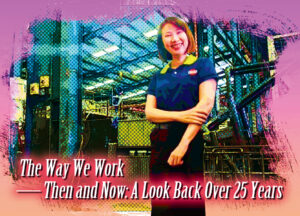

Author of this article

Related articles
-
 “Suit Club, Renamed…” — A Column by Masahiro Takaki, General Affairs Department, Okudaya Giken
 -
Department Introduction Article: Manufacturing Section 1, CP & Frame Team
-
Introducing My “Family” — My Beloved Cat!
-
A Special Interview with General Manager Isogai: Why was the Brand Concept ‘CARRIER DESIGN’ Created?
-
Imprints of Time by the Pond
-
Album I Was Into Back Then: ④⊿(Perfume)
-
Department Introduction Article –Manufacturing Section 2, Self-Propelled & PL Frame Unit “Building the Foundation for Products in Motion”
-
The Front-Line Legend of the Strongest! The Ultimate Grip Strength Showdown of the Tough Guys!