

Production Management Insights from Culinary Arts | Column by Lü Yafei, Manufacturing Department, Changzhou OPK Handling Equipment Co., Ltd.
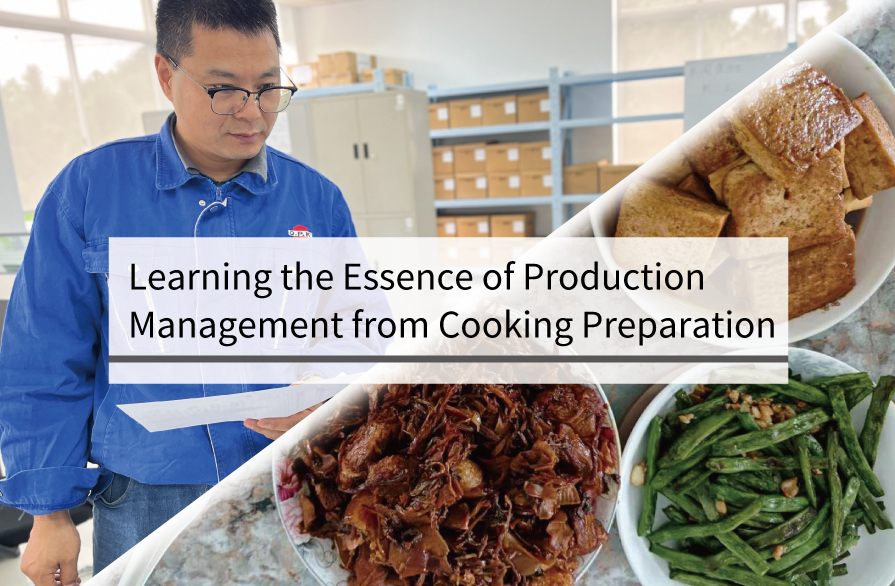
At work, I am a manufacturing section chief; at home, a food enthusiast. Amid the symphony of pots and pans and the rising steam of sizzling ingredients, I’ve come to a clearer realization: the art of cooking in the kitchen bears an uncanny resemblance to production management in a factory. Though they seem to belong to two different realms—life and industry—they share the same core goals: order, efficiency, and quality. Moreover, both reflect deep management wisdom through meticulous attention to detail and seamless coordination across processes.
Just as cooking begins with deciding on a menu based on the number of diners and their taste preferences, followed by preparing a precise shopping list accordingly, factory production management works in much the same way. The production plan is the predetermined “menu,” defining what to make, how much to produce, and by when, while the procurementplan serves as the corresponding “shopping list,” ensuring that raw materials and components arrive on time and in the right quantities.
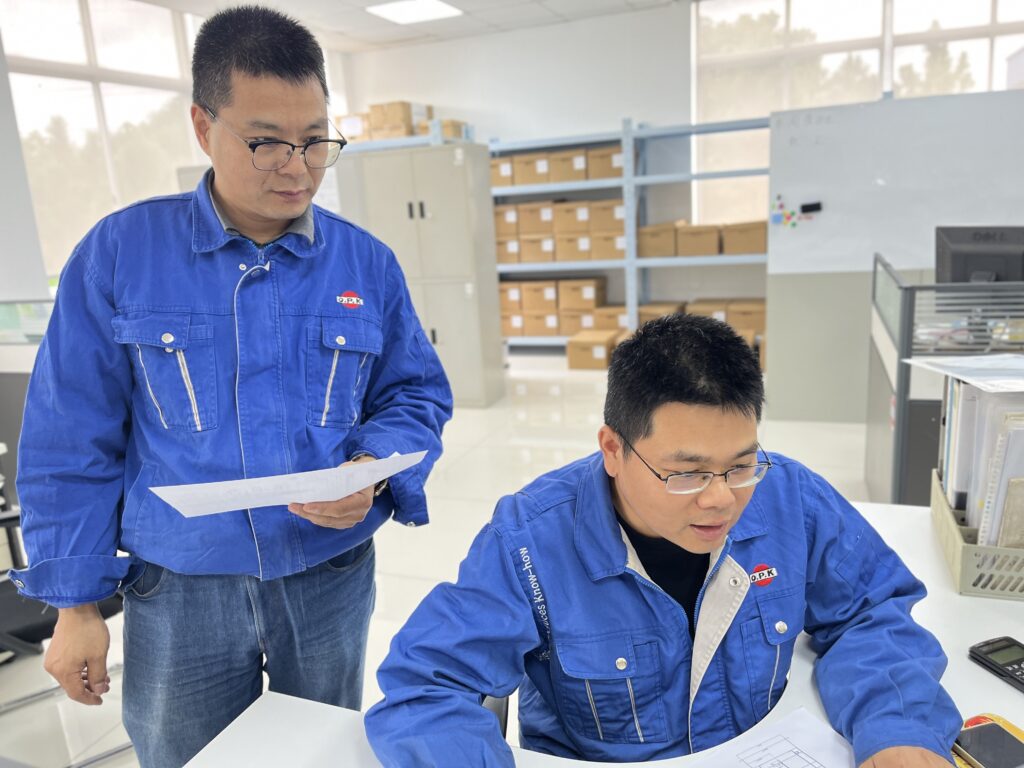
Whether it’s the advance consideration of ingredient quantity and freshness in kitchen prep, or the scientific forecasting of material needs and inventory turnover in factory PMC (Production and Material Control) management, “advance planning and accurate forecasting” are the crucial first steps in avoiding confusion at the source and laying a solid foundation for efficient operations.
A recipe serves as the “action guideline” for cooking a delicious dish. The sequence of each step must not be reversed, and the standards for every detail must not be compromised—whether it’s the precise control of heat, the order of adding seasonings, or the careful handling of ingredients, everything must follow the “recipe” to create a dish that is pleasing in color, aroma, and taste.
This mirrors the SOP (Standard Operating Procedure) in industrial production remarkably well. An SOP is essentially the “industrial recipe” for each production process. It clearly defines the operational standards, procedural order, and quality requirements for every step. From the sequence of material assembly to the tuning of equipment parameters, from inspection checkpoints to safety precautions, every operator must follow the SOP precisely. Otherwise, skipping steps or rearranging them based on personal experience may lead to serious consequences: at best, product dimension deviations or performance issues that result in material and labor waste; at worst, equipment damage or worker injury, causing significant and immeasurable losses.
Tasting before serving is the final quality checkpoint I firmly uphold.
Whether it’s gently spooning a bit of broth or carefully sampling a piece of the dish, it’s all about precisely controlling the saltiness, doneness, and flavor—ensuring that every bite meets expectations.
I would never allow a dish with subpar taste to dishonor the dining table.
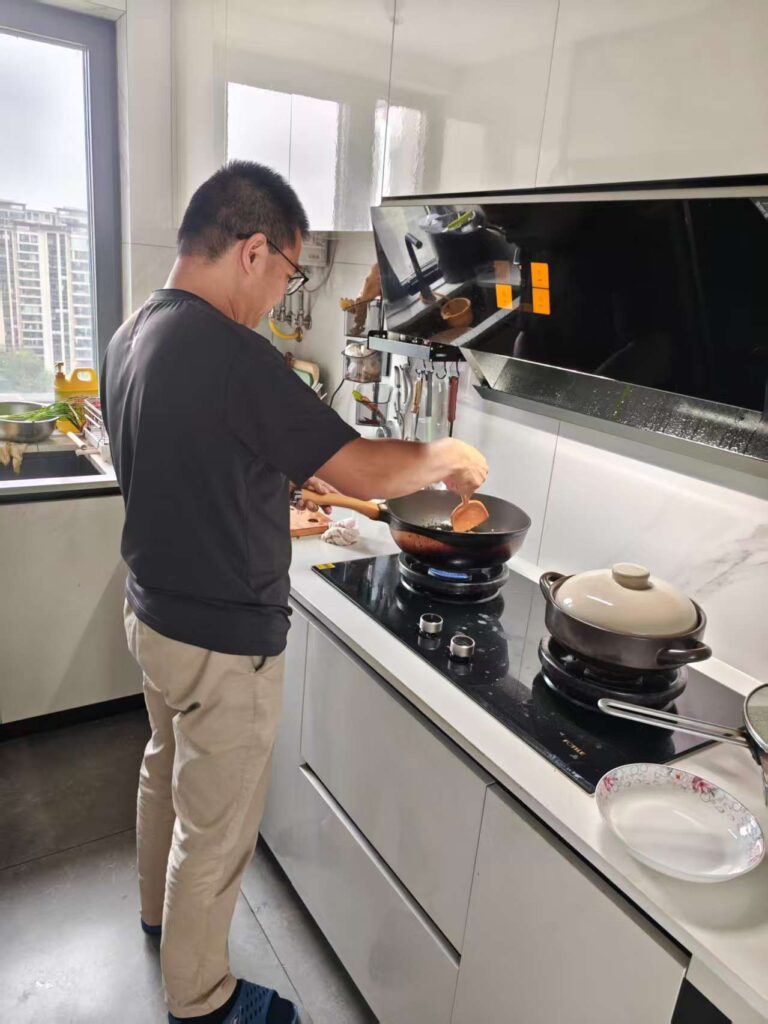
This is much like the indispensable “quality inspection process” in
production management. From sample checks of incoming raw materials to in-process inspections during manufacturing and final quality checks before products leave the factory, every stringent checkpoint is designed to detect and eliminate defects in time, safeguarding the baseline of quality.
Just as a bland or off-tasting dish should never be served at the table, a flawed product must never reach the market. This is not only a responsibility to the consumers but also the very foundation of a company’s survival.
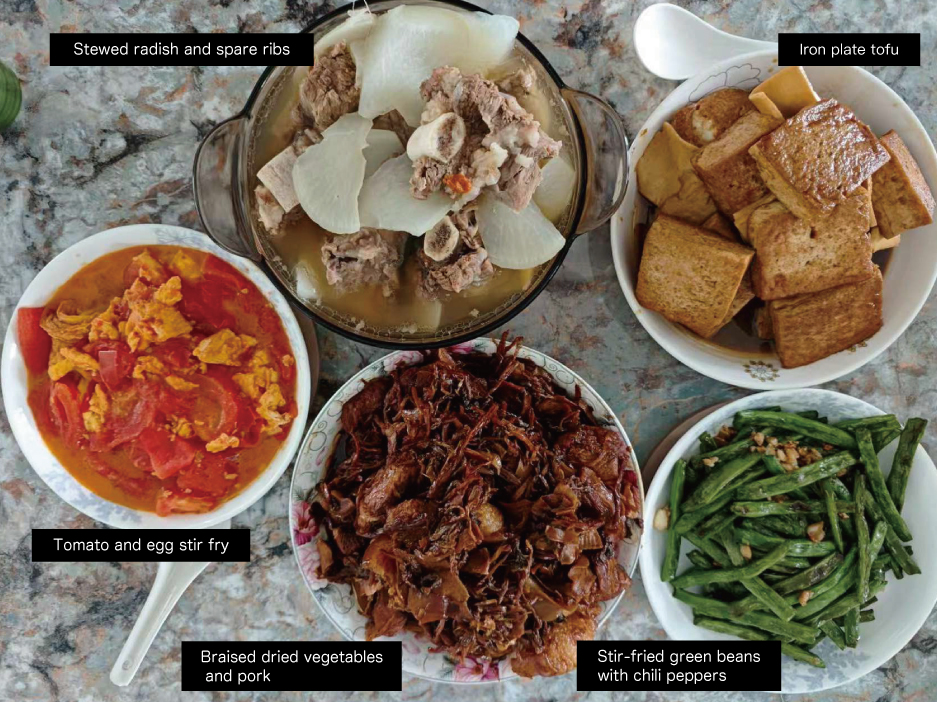
Cooking and production management, at their core, both pursue order, efficiency, and quality.
To make a great dish, one must carefully plan each ingredient, control every step of the process, and scrutinize every layer of flavor.
Likewise, managing production requires meticulous planning, process optimization, and strict quality control at every checkpoint.
Only by doing so can we create culinary delights amid the kitchen’s flames and produce fine products along the production line.
Date of Contribution: November 2025
Author:
Changzhou OPK Handling Equipment Co., Ltd.
Manufacturing Department
Lv Yafei
-
 Department Article Introduction:Procurement Department (SIZAIBU) | The unsung hero ~Introducing the Procurement Department's Various Roles~
-
「About Me and Maraysia」vol.1|OPK INTER-CORPORATION SDN.BHD.(OIC・Maraysia) column by Kazuto Terasawa, DIRECTOR

Author of this article

Related articles
-
A Special Interview with General Manager Isogai: Why was the Brand Concept ‘CARRIER DESIGN’ Created?
-
Imprints of Time by the Pond
-
The Way We Work — Then and Now: A Look Back Over 25 Years
-
Album I Was Into Back Then: ④⊿(Perfume)
-
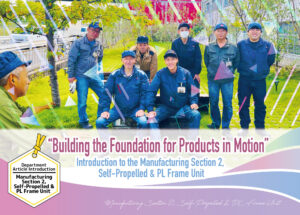
Department Introduction Article –Manufacturing Section 2, Self-Propelled & PL Frame Unit “Building the Foundation for Products in Motion”
-
The Front-Line Legend of the Strongest! The Ultimate Grip Strength Showdown of the Tough Guys!
-
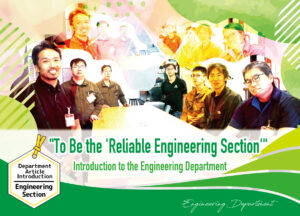
Department Introduction “Production Engineering Section” – “To Be the ‘Reliable Engineering Section'”
-
Building Trust by Staying True to Ourselves ― Interview with Mr. Katsuki, General Manager of Sales Department