

Qingming Festival: A Traditional Chinese Festival of Remembrance and Renewal
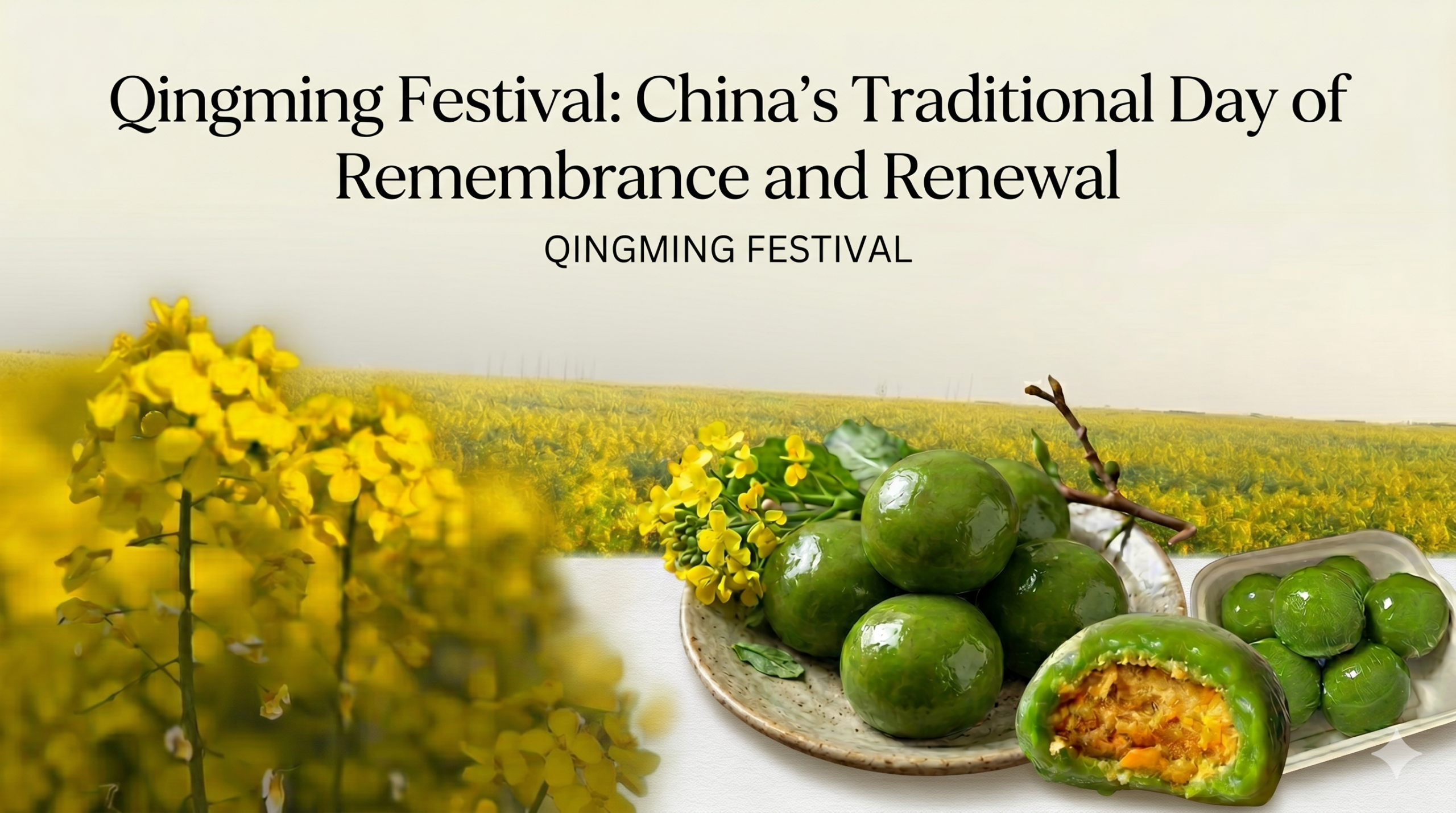
As the spring breeze brushes away the winter chill, willow trees sprout, and flowers bloom, the Chinese people welcome a special and gentle traditional festival—the Qingming Festival (Tomb-Sweeping Day).
Falling annually between April 4th and 6th on the Gregorian calendar, it coincides with the season of nature’s revival.
It is one of China’s four major traditional festivals and a significant day carrying the remembrance and reverence of the Chinese people.
For foreign friends, Qingming might not be as well-known as the Spring Festival or the Mid-Autumn Festival, but it holds a unique Chinese view of life and a deep devotion to family and homeland, serving as a vital window to understanding traditional Chinese culture.
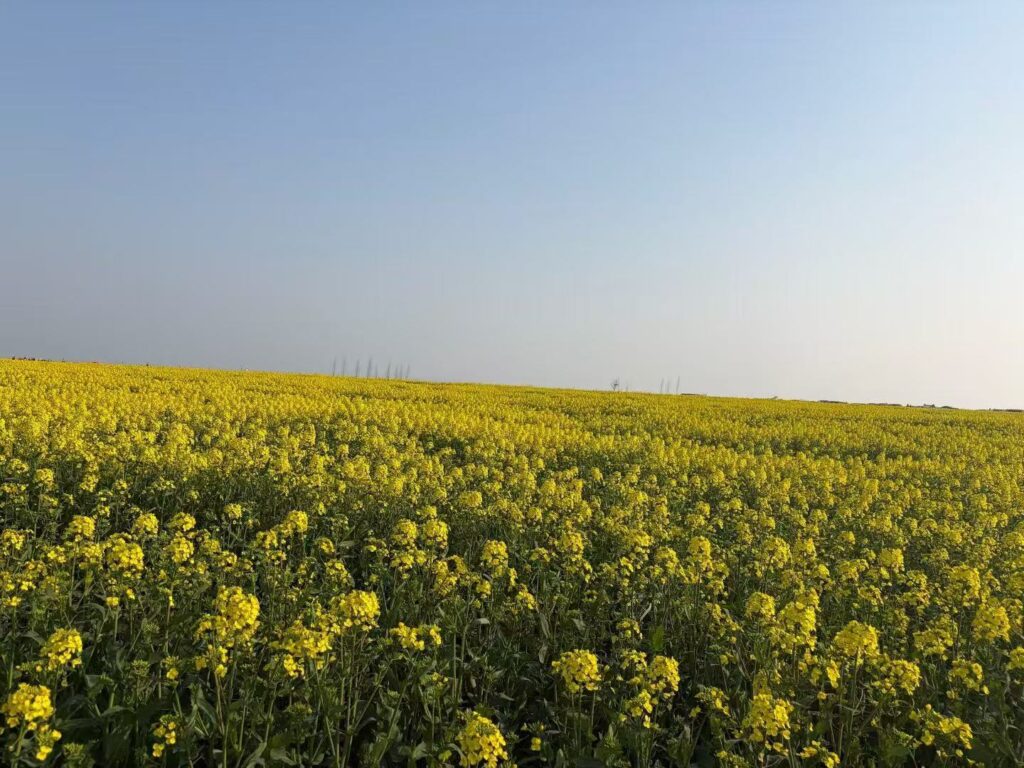
The history of the Qingming Festival dates back over 2,000 years to the Spring and Autumn Period, and its origins are closely intertwined with the “Hanshi Festival” (Cold Food Festival).
Later, the Hanshi Festival gradually merged with Qingming, forming the traditional festival we know today, which embodies the dual significance of ancestor worship and spring outings.
The core custom of the Qingming Festival is sweeping tombs and honoring ancestors, a cultural inheritance of the Chinese philosophy of honoring the departed and tracing one’s roots.
On this day, no matter where they are, Chinese people try their best to return to their hometowns, visit their ancestors’ graves, clear away weeds, add fresh soil to the tombs, offer the ancestors’ favorite foods, fruits, and flowers, bow in worship, and express their longing and blessings.
This ritual is devoid of heavy sorrow; rather, it is a gentle reminiscence, a “cross-space dialogue” with ancestors, and a calm reverence for the cycle of life.
It carries the Chinese people’s gratitude for familial ties and their ancestors.
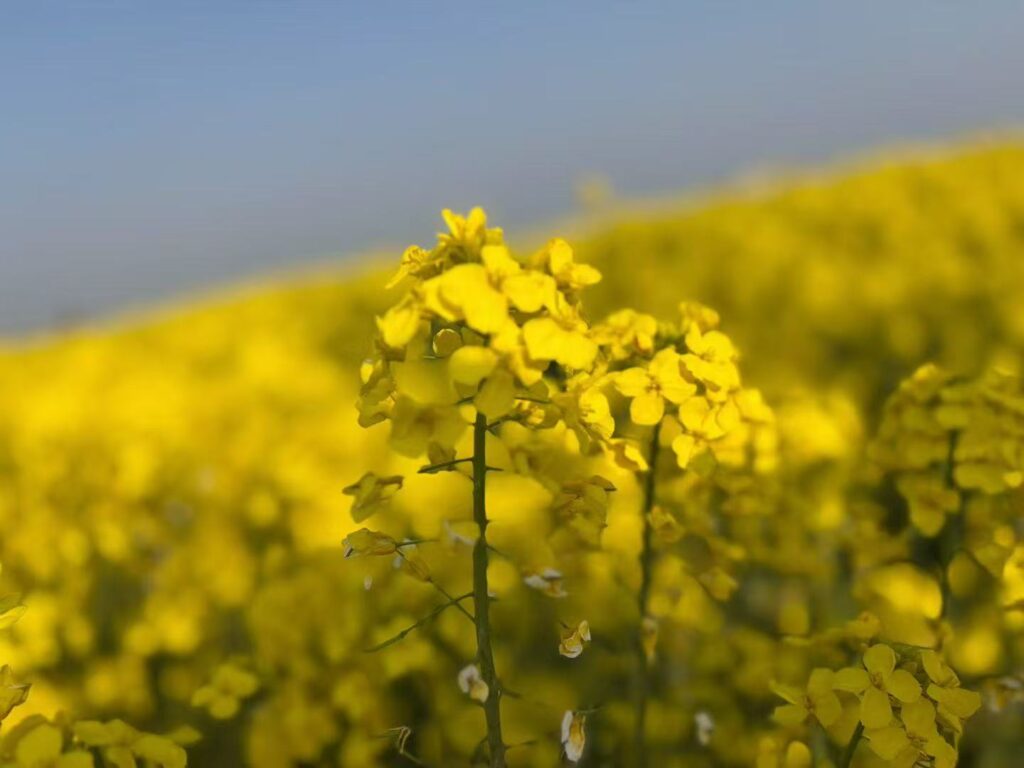
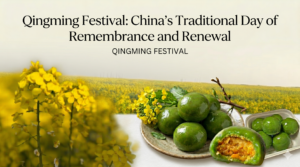
Besides tomb-sweeping, the Qingming Festival features spring-filled customs such as Taqing (spring outings), planting willow branches, and eating Qingtuan (green glutinous rice balls). Occurring right when everything returns to life, people often go to the suburbs to enjoy the spring scenery and feel nature’s vitality after honoring their ancestors. The practice of planting willow branches stems from the tree’s strong vitality; ancient people believed it could ward off evil and invite blessings, while also symbolizing the endless thriving of the family line.
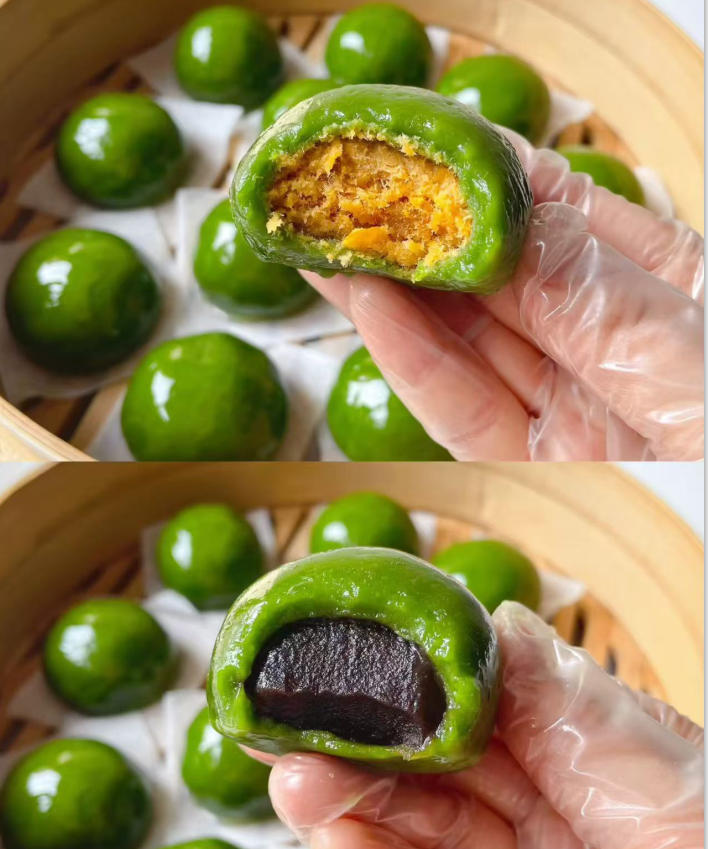
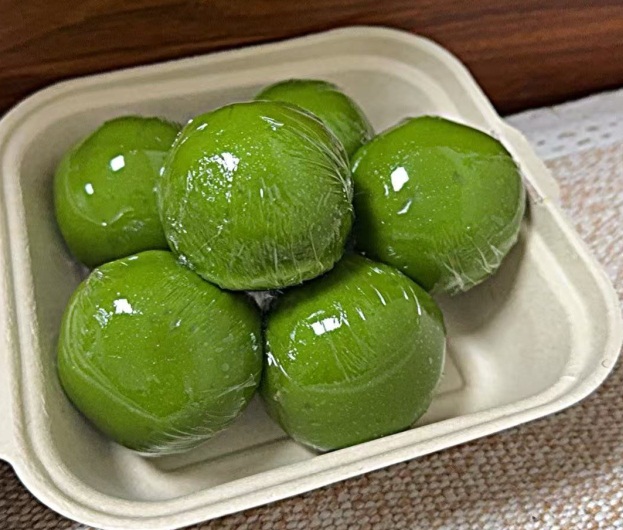
As a signature delicacy, Qingtuan is made from mugwort juice and glutinous rice flour,
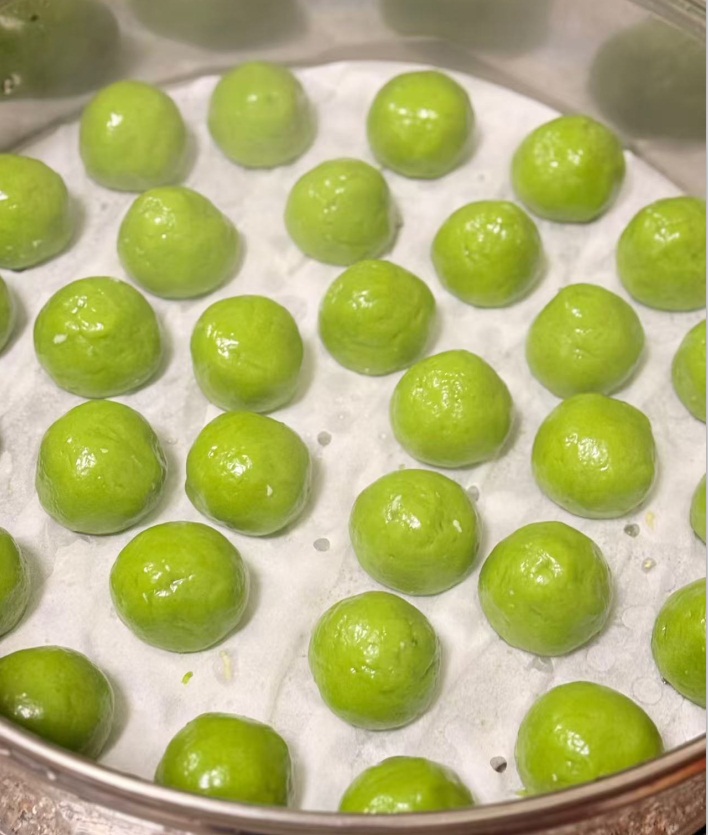
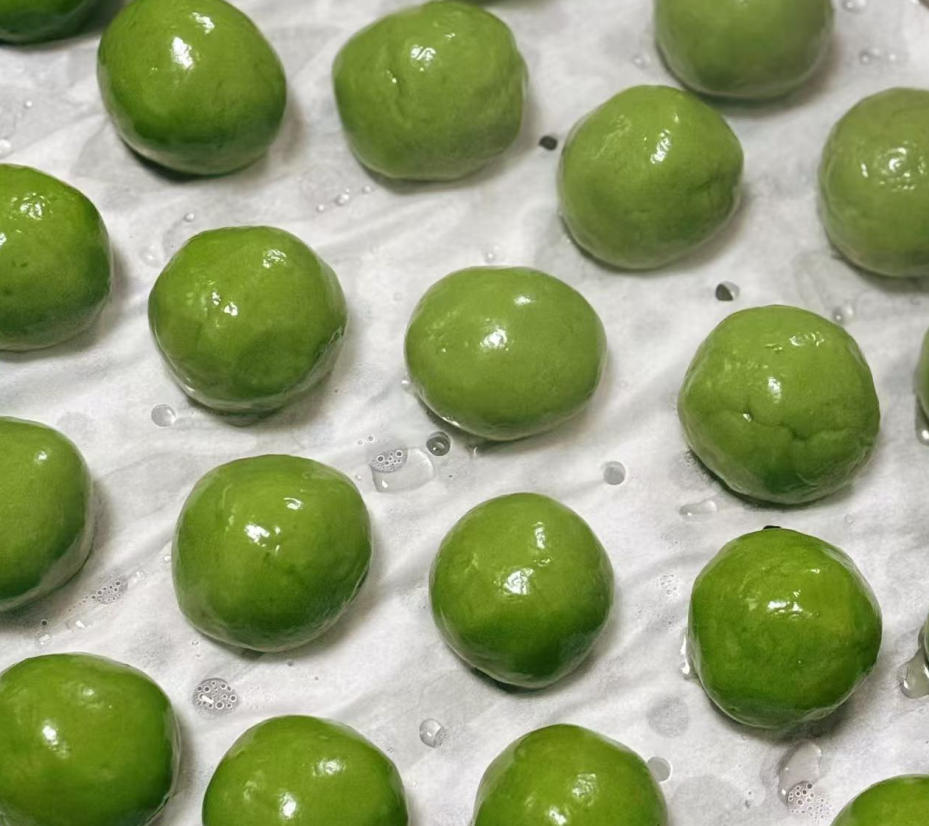
stuffed with fillings like red bean paste and sesame. Soft, chewy, and fragrant, it not only embodies the longing for ancestors but also holds people’s affection for the spring season.
Today, although the forms of the Qingming Festival have evolved—such as more people using fresh flowers instead of incense and candles, or expressing their grief through online memorials—the core essence remains unchanged.
It is still the most ritualistic festival in the hearts of Chinese people, a spiritual bond connecting the past with the present, and ancestors with descendants.
For foreign friends, understanding the Qingming Festival means understanding the Chinese people’s cherishing of life and steadfastness to family affection—we remember the past to better cherish the present; we revere our ancestors to inherit virtues and embrace the future.
This gentle festival demonstrates the profoundness and warmth of Chinese culture to the world in its own unique way.
Date of Submission: April 2026
Author: Changzhou OPK Handling Machine Co., Ltd.
Manufacturing Department
Chen Kaibo
-
 Department Introduction Article: Manufacturing Section 2, Machine Unit
-
Department Introduction Article: Manufacturing Department, Production Control Unit

Author of this article

Related articles
-
Visiting the Nara National Museum Special Exhibition “Buddhist Paintings of Nanto” (Part 2)
-
Visiting the Nara National Museum Special Exhibition “Buddhist Paintings of Nanto” (Part 1)
-
“How Many Standard Models Does Okudaya Giken Offer?” We Asked Our Employees.
-
Album I Was Into Back Then:⑥Hi-Fi Shinsho (Sotaisei Riron)
-
Department Introduction: Manufacturing Section 1, Painting Team
-
My Children
-
Zhongyuan Pudu Festival
-
Meet My “Family,” My Pet Cat! (Morita Edition)