


Seeing the Truth in Pen and Ink: How a Diary Becomes the Cornerstone of Workplace Discipline
In a highly efficient and fast-paced workplace, we compete not only in professional skills but also in inner order and resilience. Discipline is the source of this order and resilience. To cultivate discipline, we need a fulcrum—a daily, private, and powerful tool. This tool is a seemingly plain and simple diary.
1.From “Ritual” to “Habit”: Forging the Continuity of Discipline
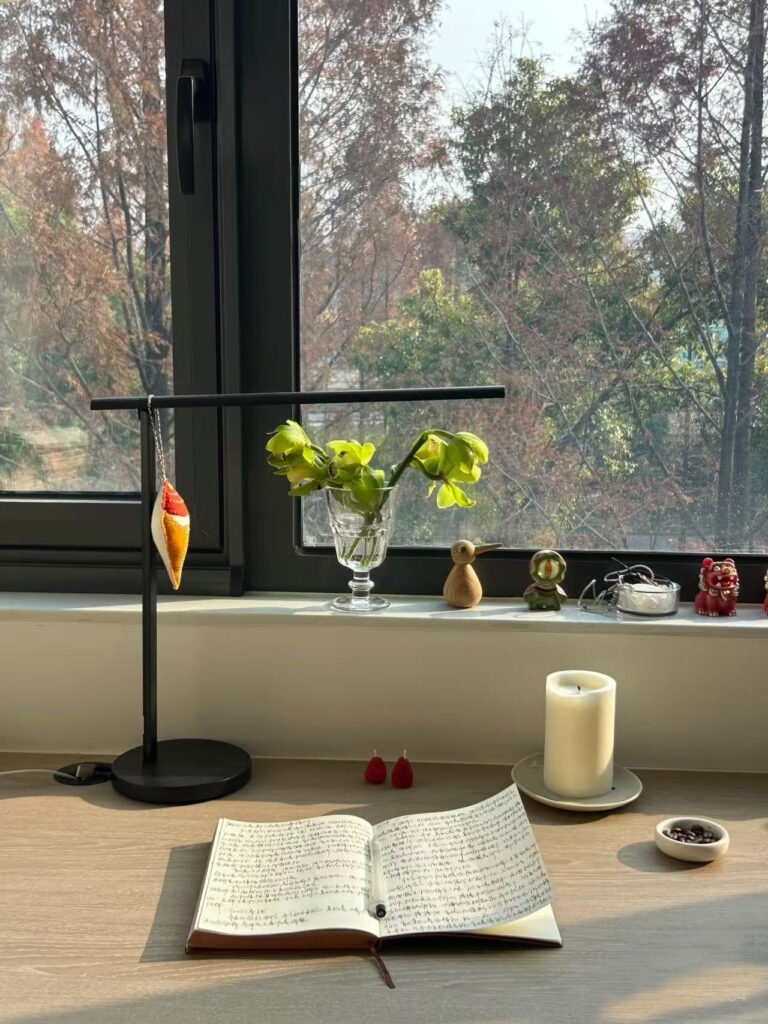
The core challenge of discipline lies in “persistence.” Keeping a diary is a precise training regimen for this very challenge. Choosing a fixed time of day (such as early morning or before bed), sitting at a desk, and opening a diary—this process itself is filled with a strong sense of ritual. This ritual sends a clear signal to the brain: “Now is the time for self-dialogue and organization.”
Initially, this might require willpower to maintain. But as Aristotle said, “Excellence is not an act, but a habit.” Persisting for 21 or 100 consecutive days will gradually transform this action from a “task requiring effort” to an “indispensable part of the day.” When you feel a sense of loss because you missed writing one day for some reason, discipline has already begun to be internalized.
This “continuous discipline” cultivated through journaling will naturally transfer to your work. You will find it easier to persevere through a tedious but important report, and you will be more able to consistently follow up on a long-term project. This is because you have deeply experienced through your diary that any great achievement stems from small, daily accumulations.
2.Clarity and Concreteness: A Powerful Weapon to Break Through Workplace Chaos
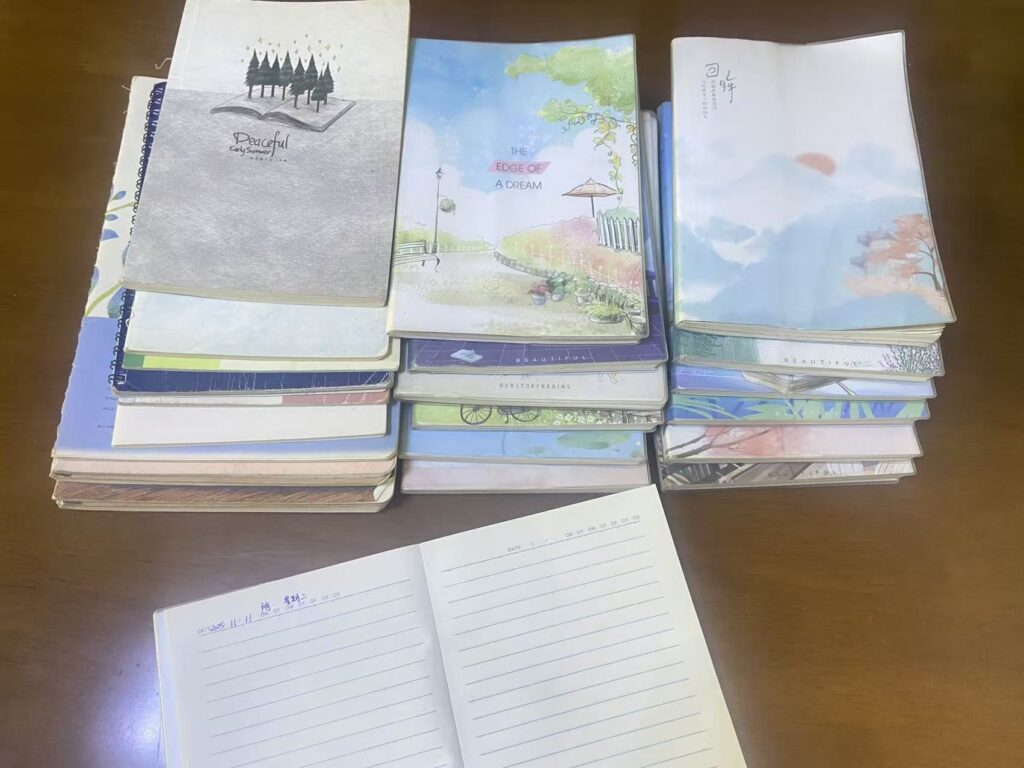
Much of the anxiety and procrastination at work stems from the ambiguity and chaos of tasks. The brain tends to avoid unclear or overwhelmingly large tasks. Discipline often fails in these moments.
A diary is the best tool for “clarity” and “concreteness.” We can use it for:
· Morning Planning: Before the day begins, spend three to five minutes listing the “three most important things for today” in your diary. This is not just a plan, but a written commitment, which greatly enhances the focus and urgency of execution.
· Post-Task Recording: Record how a complex task was broken down and completed. These successful “templates” will become valuable assets for tackling similar challenges in the future.
When vague ideas become clear words, and colossal tasks are broken down into specific steps, the resistance to taking action is greatly reduced. Discipline is no longer about gritting your teeth and enduring, but walking naturally on a clear path. This ability can significantly improve work efficiency and reduce mental drain.,stop overthinking.
3.Witnessing Growth and Drawing Strength: Building a Cycle of Professional Confidence
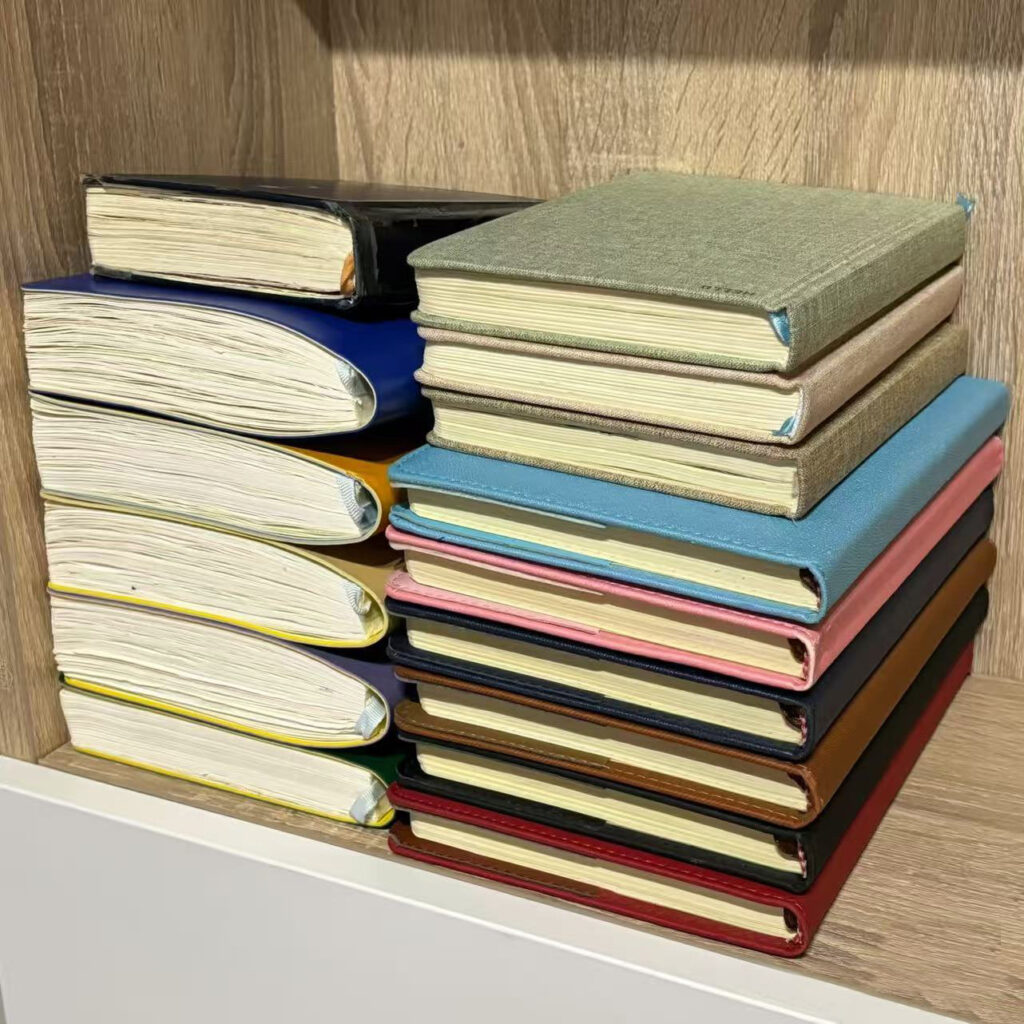
Career paths are rarely smooth sailing; you will inevitably encounter bottlenecks, setbacks, and self-doubt. During these low points, empty self-motivation often feels weak and powerless. A diary, at such times, plays the role of a “personal growth archive.”
When you feel lost, flipping through your diary from a few months or even a year ago allows you to clearly see the dilemmas you faced, your cognitive limitations at the time, and how you overcame them step by step. Those recorded small successes, conquered challenges, and learned lessons all become solid bricks for rebuilding your self-confidence.
This “visible growth” creates a positive feedback loop:
Disciplined journaling → Recording progress and reflection → Gaining a sense of achievement and clarity → Enhancing the confidence to remain disciplined and keep striving → Making even greater progress.
This cycle is the core mechanism for fending off professional burnout and maintaining long-term passion.
A diary is far more than just a receptacle for emotions. It is a sharpening stone for the mind, a blueprint for action, a stabilizer for emotions, and above all, a milestone of growth. Through the daily cultivation of pen and ink, we are not merely recording our lives, but actively shaping a clearer-headed, more orderly, and more powerful self.
The discipline forged through journaling will ultimately manifest outwardly in our work as reliable professionalism, composure in the face of complexity, and a sustained capacity for growth throughout our careers. Seeing the truth in pen and ink, discovering freedom in discipline—this is perhaps the most profound interpretation of the relationship between journaling and work.
Changzhou OPK Handling Equipment Co., Ltd.
Manufacturing Department,
Shao Ying
March 2026

-
 Department Introduction Article: Manufacturing Section 1 – Pump & Cylinder Unit
-
Department Introduction Article: Manufacturing Section 2, Machine Unit


Author of this article

Related articles
-
Meet My “Family,” My Pet Cat! (Morita Edition)
-
Dragon Boat Festival – Chinese Legends and Summer Charm in the Fragrance of Zongzi Leaves (Rice Drumplings)
-
Introduction to AI Utilization
-
A Spring Flower-Viewing Journal
-
[Company Event] FY2026 Azalea Viewing Party
-
Introduction to Environmental Initiatives
-
Building a Solid Safety Defense Line and Strengthening Emergency Response Capabilities —— Changzhou OPK Organizes Workshop Fire Emergency Drill
-
Album I Was Into Back Then:⑤Everyone is Normal(GESU NO KIWAMI OTOME.(Lowest Lowest Girl))