

Dragon Boat Festival - Chinese Legends and Summer Charm in the Fragrance of Zongzi Leaves (Rice Drumplings)
As the summer breeze sweeps across the Chinese land, with the fragrance of zongzi drifting and the rousing sound of drums echoing along the rivers of Jiangnan, the Chinese people welcome the Dragon Boat Festival. Originating in the Spring and Autumn and Warring States periods over two thousand years ago, this festival falls on the fifth day of the fifth lunar month and is one of the four major traditional Chinese festivals. It has also been inscribed on the Representative List of the Intangible Cultural Heritage of Humanity, serving as an important window to showcase Chinese culture to the world.
The most widely known origin of the Dragon Boat Festival is to commemorate the patriotic poet Qu Yuan. A loyal minister of the State of Chu during the Warring States period, Qu Yuan was deeply devoted to his country but was framed by treacherous officials and exiled. On the fifth day of the fifth lunar month, he clasped a heavy stone and threw himself into the Miluo River, using his death to prove his unwavering loyalty. The local people were overwhelmed with grief. They rowed boats to recover his body and threw rice balls and eggs into the river to prevent fish and shrimp from damaging his remains. Later, people designated this day as the Dragon Boat Festival, and the customs of racing dragon boats and eating zongzi have been passed down from generation to generation. Furthermore, legends in various regions suggest the festival also commemorates figures such as Wu Zixu and Cao E, adding to the profound cultural charm of the holiday.
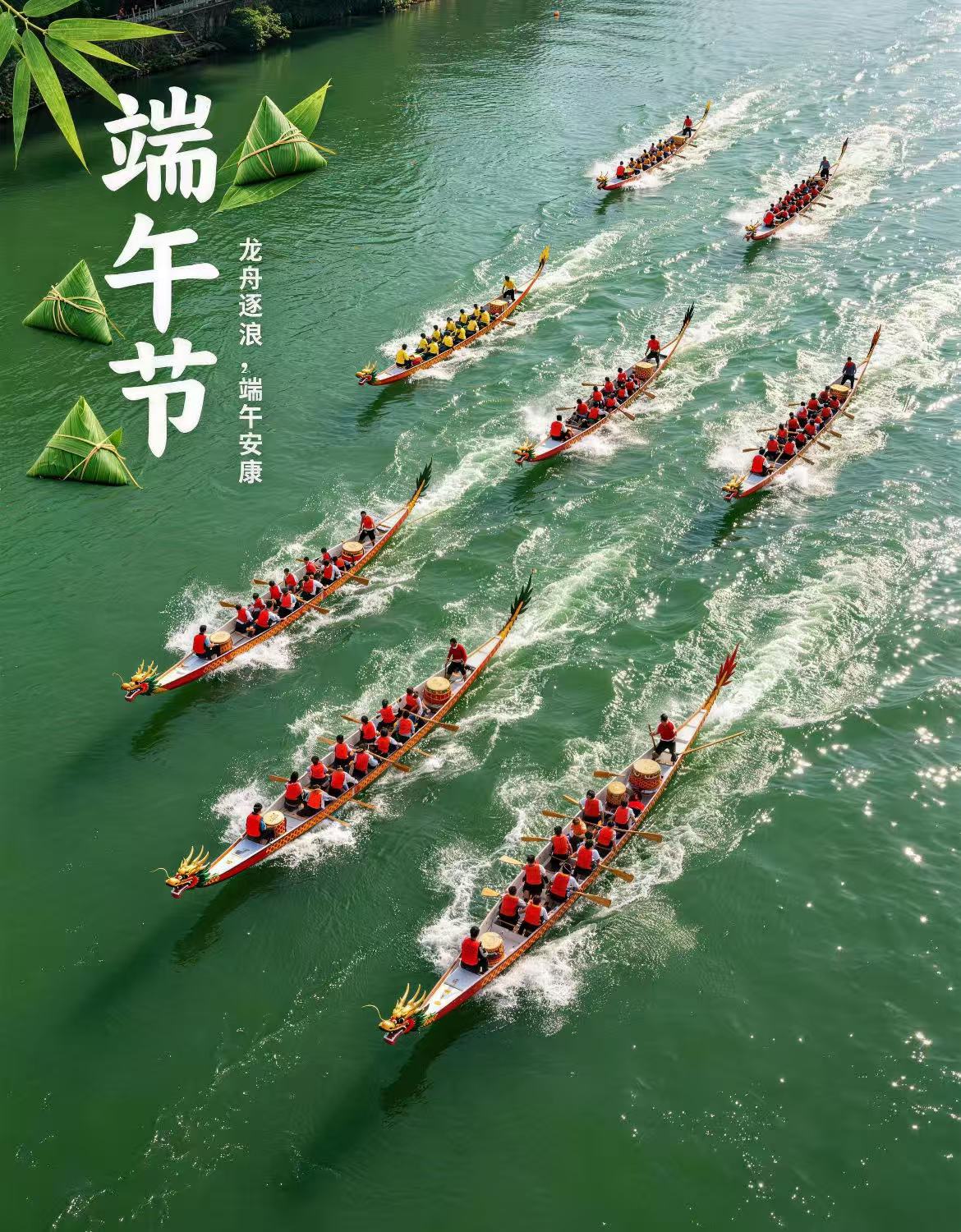
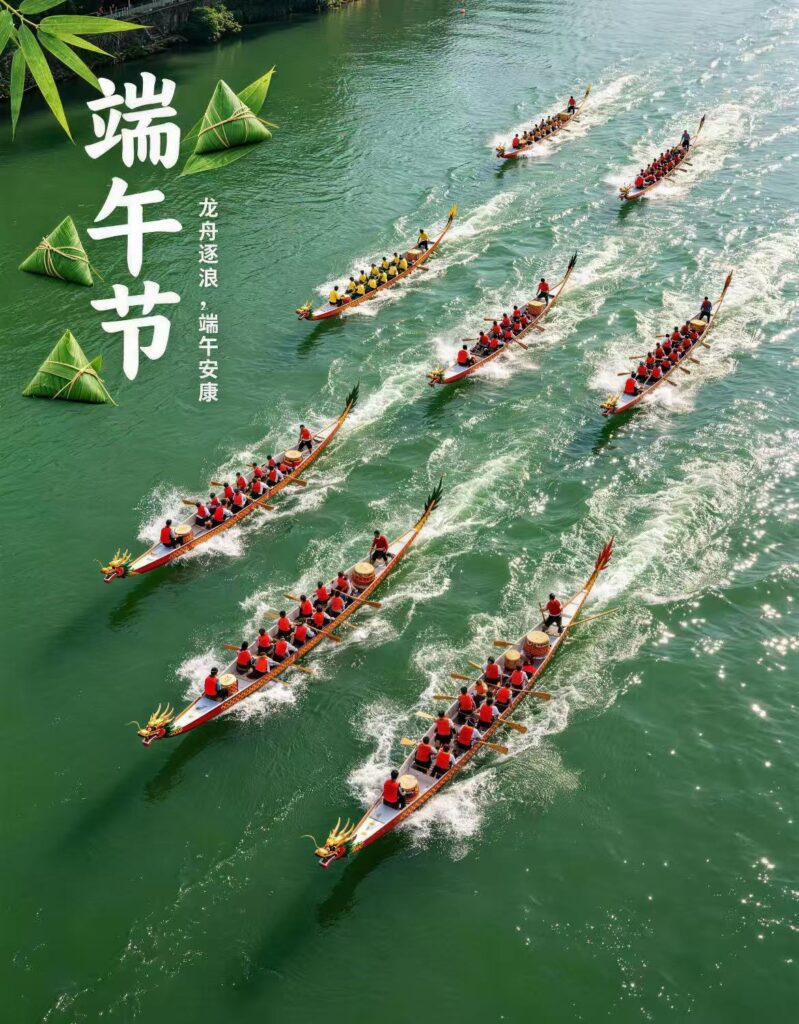
Dragon boat racing is the most iconic activity of the Dragon Boat Festival and a grand display of strength and collaboration. The dragon boats boast a unique design, featuring slender hulls adorned with exquisitely carved dragon patterns. Each boat accommodates dozens of paddlers in matching attire who row in flawless unison to the rhythm of the drummer, sprinting forward with tremendous effort. The enthusiastic cheers from the riverbanks mingle with the resounding drumbeats, creating an incredibly spectacular scene. This sport not only tests physical stamina and technique but also heavily emphasizes team synergy, symbolizing the spirit of unity and the drive to excel within the Chinese nation. Today, dragon boat racing has transcended national borders to become an international sporting event, serving as a vital bridge for cultural exchange between China and the rest of the world.
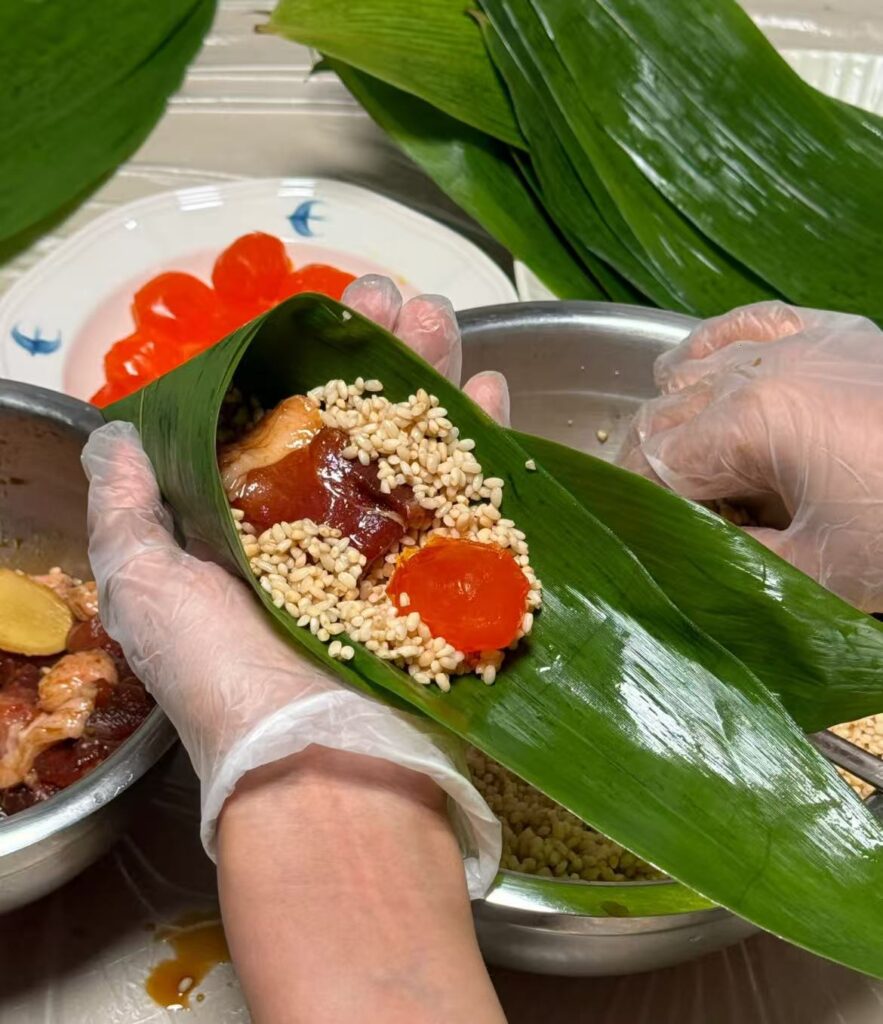
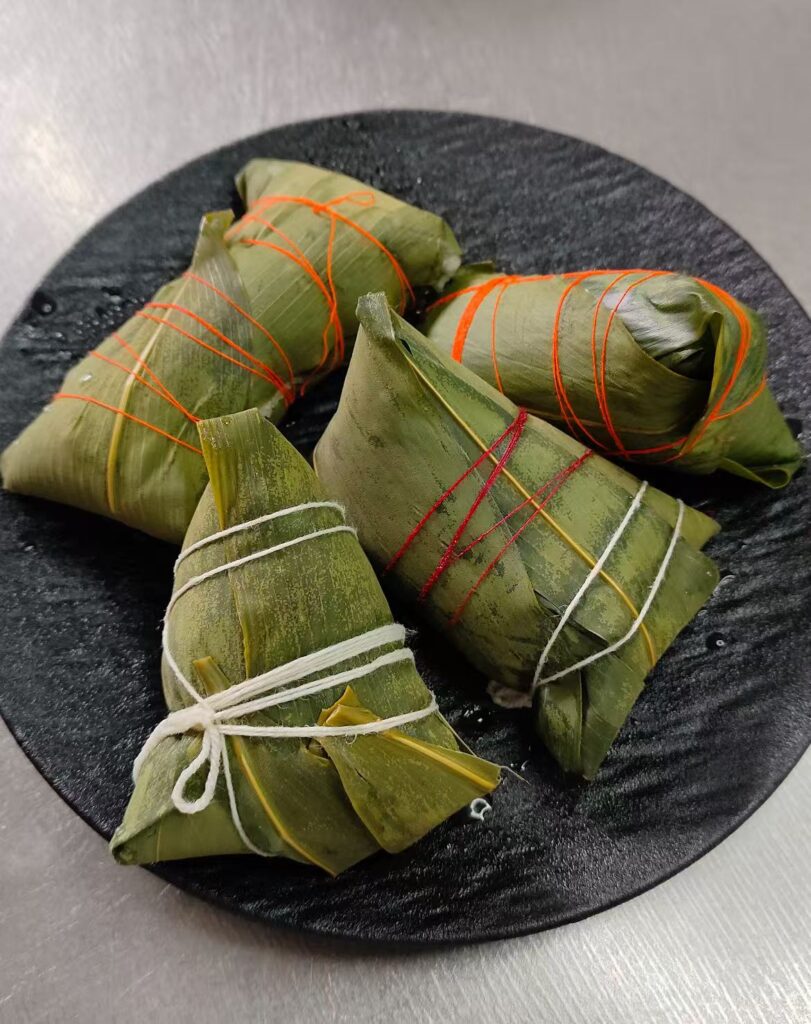
Eating zongzi is an indispensable custom of the Dragon Boat Festival. A single small zongzi wraps up longing and heritage, and also holds diverse flavors. It uses glutinous rice as the main ingredient, paired with fillings such as red dates, red bean paste, and fresh meat, wrapped in zongzi leaves and steamed. The fresh meat zongzi of the South are rich, savory, and fragrant, while the red date zongzi of the North are light, sweet, soft, and chewy. Each variety carries the distinct flavor of its local region.
In addition to these two major customs, the Dragon Boat Festival is rich in other fascinating folk traditions. People wear fragrant sachets sewn with five-color silk threads and filled with traditional Chinese herbs like mugwort. These serve both to repel insects and to pray for blessings. Hanging mugwort and calamus on doorways represents the practical wisdom of ancient people in dispelling cold, preventing epidemics, and coping with summer diseases.
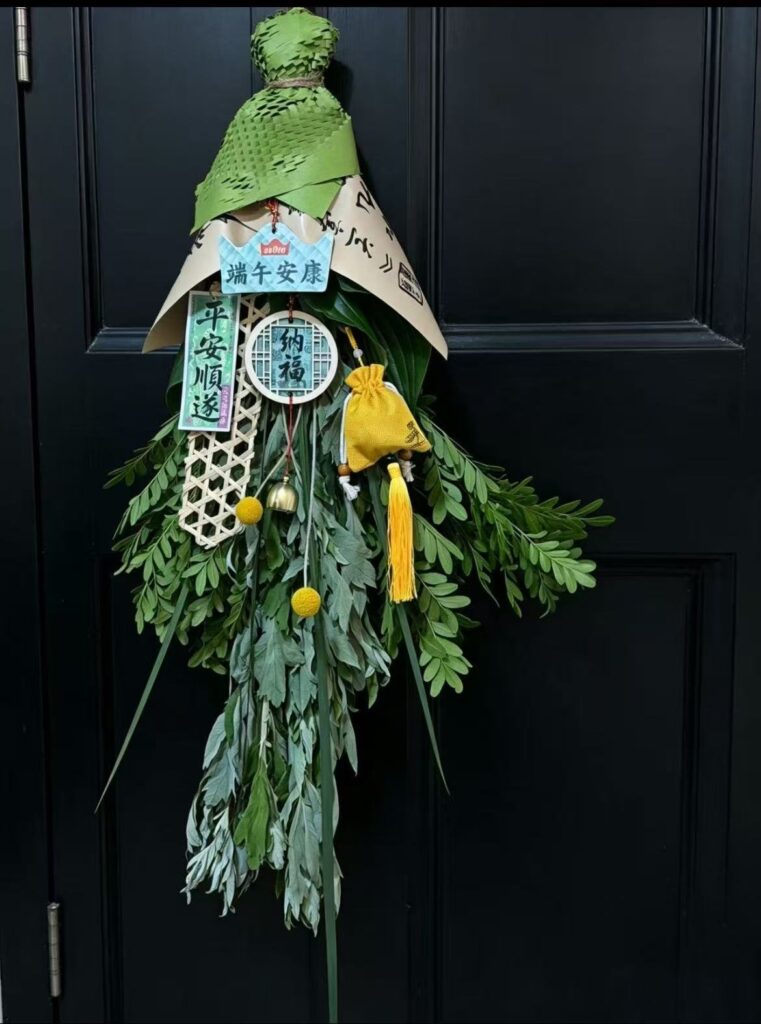
Today, although the forms of the Dragon Boat Festival have seen innovation, its core meaning remains unchanged. People still make zongzi and watch dragon boat races, experiencing the warmth of tradition. For foreign friends, it serves as a window to understand Chinese culture—Qu Yuan’s devotion to his country, the spirit of unity in dragon boat racing, and the practical wisdom found in folk customs all demonstrate the profoundness and vitality of Chinese culture. With the fragrance of zongzi leaves drifting and dragon boats chasing the waves, this festival, spanning over a millennium, is telling the Chinese legend to the world with its unique charm.
Submission Date June 2026
Author Changzhou OPK Handling Machine Co., Ltd.
Manufacturing Department
Chen Kaibo


Author of this article

Related articles
-
 Full Moon of Mid-Autumn, Together Towards a Beautiful Future
 -
A Spring Flower-Viewing Journal
-
Building a Solid Safety Defense Line and Strengthening Emergency Response Capabilities —— Changzhou OPK Organizes Workshop Fire Emergency Drill
-
[Kansai Logistics Exhibition 2026 Report] There is an Optimal Solution for Every Worksite. Launching “OPK WORKS”, Bringing Together the Pride of Okudaya Giken.
-
Beyond the Scenery: The Deep Integration of Changzhou’s Culture and Life
-
Qingming Festival: A Traditional Chinese Festival of Remembrance and Renewal
-
Seeing the Truth in Pen and Ink: How a Diary Becomes the Cornerstone of Workplace Discipline