

Introduction to Environmental Initiatives
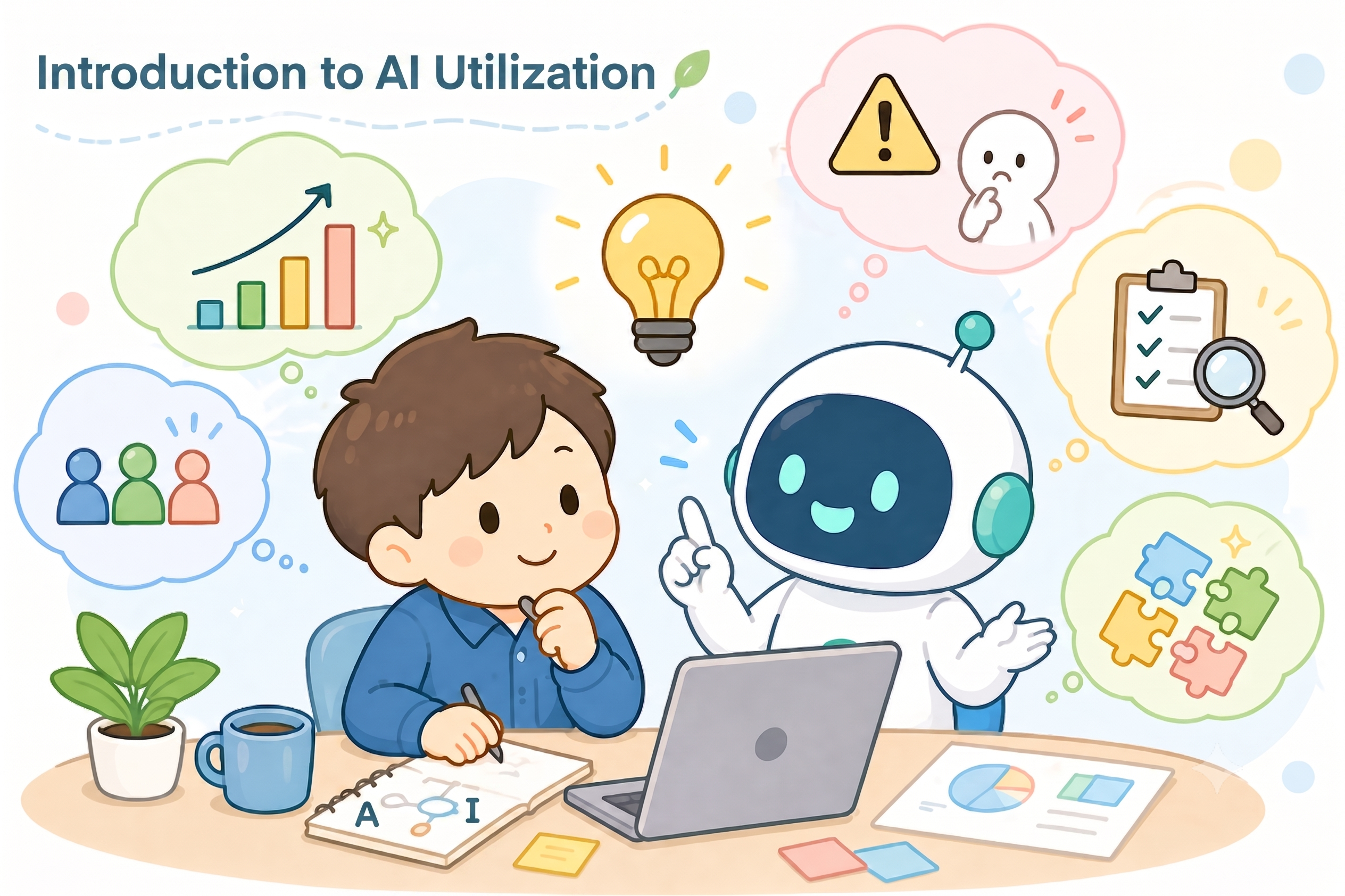
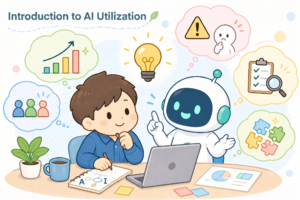
At Okudaya Giken, we have introduced AI software (ChatGPT and Microsoft Copilot) with the goal of improving operational efficiency.
In my daily work, I often need to organize information, brainstorm plans, or create various documents, so I frequently rely on AI software for assistance.
This time, for those who haven’t had much experience with it yet, I would like to casually share how I utilize it.
※Please note that I have not completely mastered it, so treat this merely as one example in hopes that it might be somewhat helpful to you.
※Since the answers provided by AI are not always guaranteed to be accurate, a final verification must always be conducted by a human.
AI Software Is a “Good Advisor”
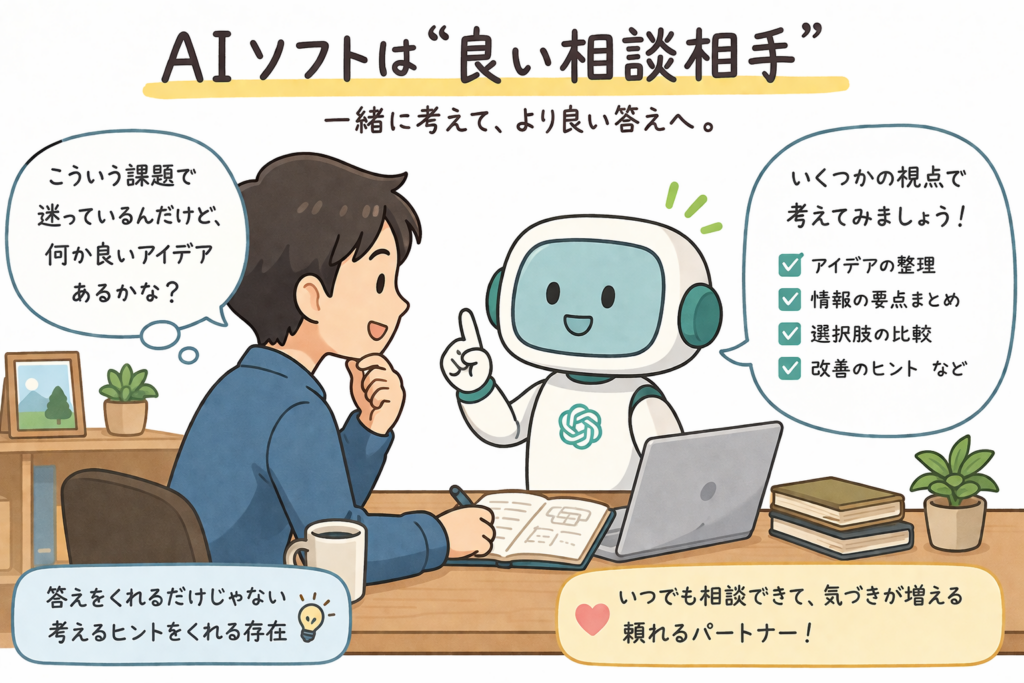
My most frequent way of using it is for “consultation.”Of course, it is not personal consultation, but rather a work-related consultation along the lines of “I want to proceed with this kind of matter.”
To create more effective plans and proposals, I first toss out the ideas that I am thinking about.
At this time, by “providing organized information to the advisor,” it also helps to clarify my own thoughts.
※Please note that if you completely leave it up to the AI or if the information is unorganized, you often will not receive the reply you expect.
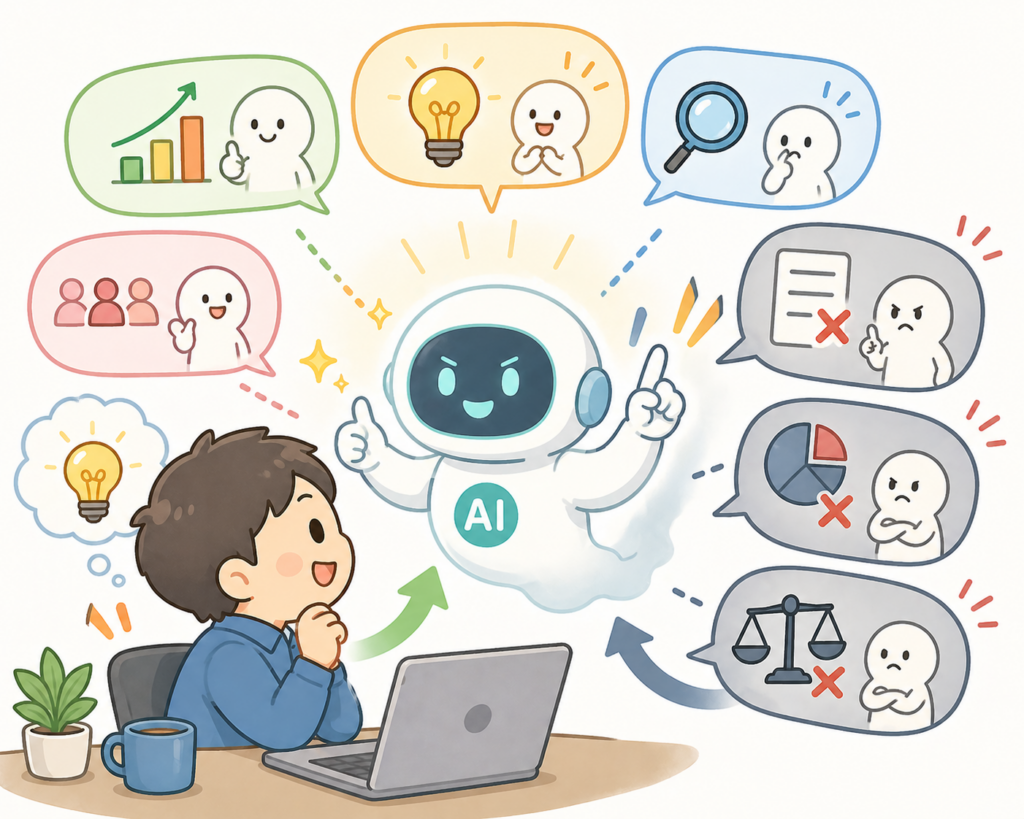
When appropriate information is provided, it first offers an opinion on our ideas from an objective standpoint.
To refine the content, I select and filter the presented suggestions, such as effective perspectives, elements, and ways to proceed.
Conversely, it sometimes points out risks involved in proceeding as is, or advises that caution is necessary.
In this case as well, I sift through the presented content to decide whether to correct my approach or make a proposal from a different perspective.
In either case, I believe the important thing is not to “do exactly as the AI says,” but rather to decide “what you will do after hearing the AI’s opinion.”
While consulting a specific person is certainly important, it is necessary to consider the time and situation that will tie up the person you are consulting, which is why I treat AI as an “advisor I can consult with casually.”
Other Utilization Methods
There are also times when I have it summarize documents, but if I completely leave it up to the AI, it can sometimes give off a “completely left to AI” vibe…
I think it is less likely to feel “unnatural” if you have it summarize things first and then make minor adjustments yourself.
And then there is image generation.
All the images used in this article are AI-generated images.
Although it depends on how they are used, this has significantly reduced the time spent worrying about rights issues or searching around for illustrations.
AI Is Not a “Machine That Provides Answers”
Although brief, the above concludes my methods for utilizing AI.
Although it is a different story when researching various things, we often tend to tell AI, “Give me the answer!”
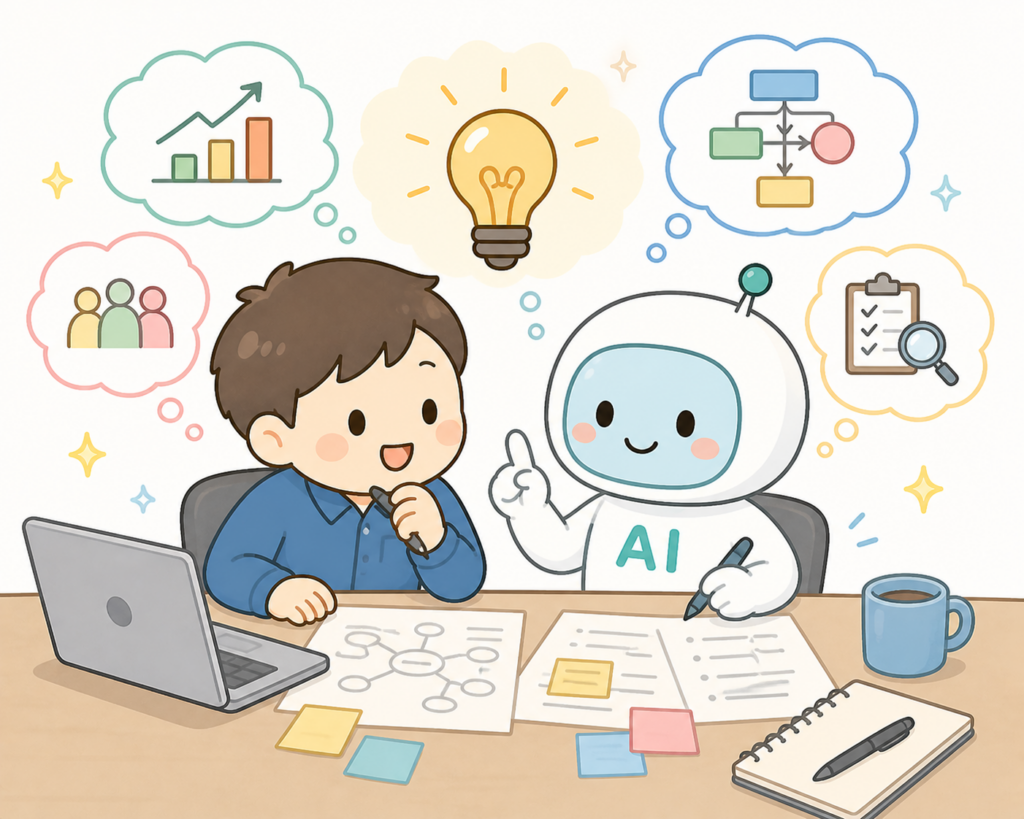
However, since it is ultimately ourselves who must come up with the answer, I think it is best to utilize AI as a “partner that thinks alongside you,” treating it as one of your operational efficiency tools.
For those who have never used it, why not try consulting with it once?
Date of contribution May 2026
Written by
Okudaya Giken Co., Ltd.
Development Strategy Department
Daiki Konno
-
 A Spring Flower-Viewing Journal
-
Dragon Boat Festival - Chinese Legends and Summer Charm in the Fragrance of Zongzi Leaves (Rice Drumplings)

Author of this article

Related articles
-
Full Moon of Mid-Autumn, Together Towards a Beautiful Future
-
Part 2:Visiting the Nara National Museum Special Exhibition “Buddhist Paintings of Nanto” (Part 1)
-
Album I Was Into Back Then:⑦Antidotes(Foals)
-
Visiting the Nara National Museum Special Exhibition “Buddhist Paintings of Nanto” (Part 2)
-
Visiting the Nara National Museum Special Exhibition “Buddhist Paintings of Nanto” (Part 1)
-
“How Many Standard Models Does Okudaya Giken Offer?” We Asked Our Employees.
-
Album I Was Into Back Then:⑥Hi-Fi Shinsho (Sotaisei Riron)
-
Department Introduction: Manufacturing Section 1, Painting Team