

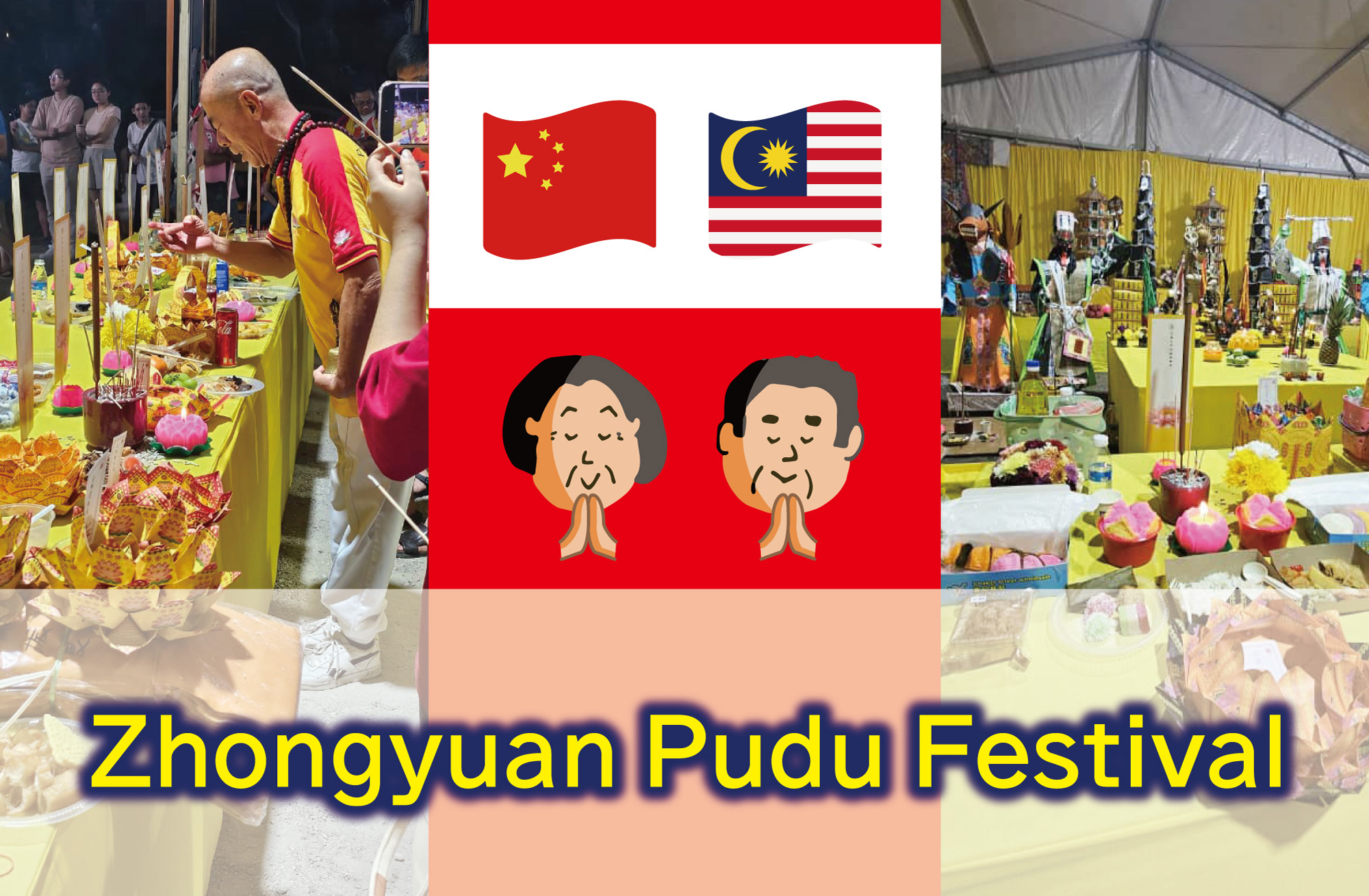
Zhongyuan Pudu Festival
Cultural introduction
The Zhongyuan Pudu Festival, also known as the Ghost Festival, is one of the most important traditional events in Chinese culture. It falls on the 15th day of the seventh lunar month, originated as a harvest thanksgiving celebration but gradually incorporated Taoist, Buddhist, and Confucian elements.
It eventually became a traditional Chinese Festival focused on honoring ancestors, offering prayers for the dead, and performing rituals for wandering spirits.
The seventh lunar month is regarded as the Ghost Month, during which the gates of the underworld open and spirits return to the human world.
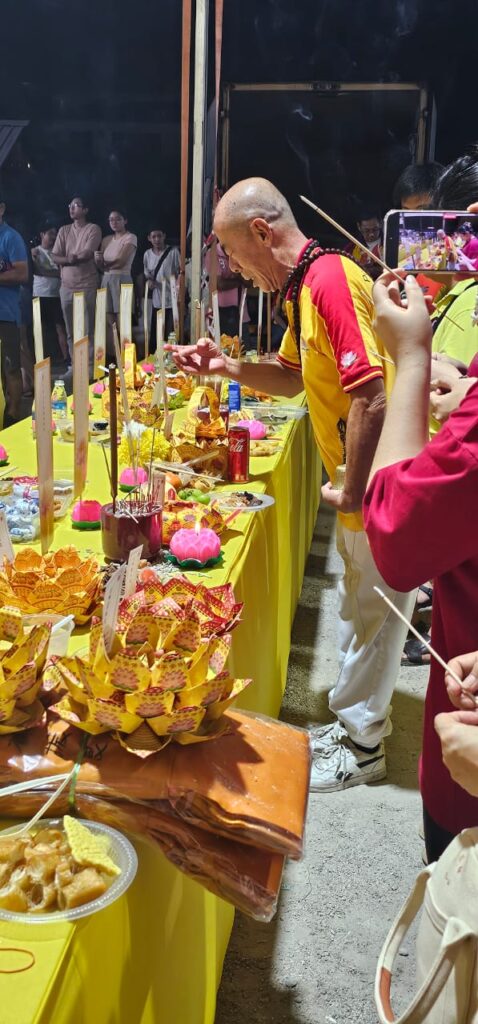
The main ceremony of this festival is the Zhongyuan Pudu (Universal Salvation Ritual), where people make offerings and perform religious rites to appease and comfort spirits, repay the kindness of parents, and pray for family safety.
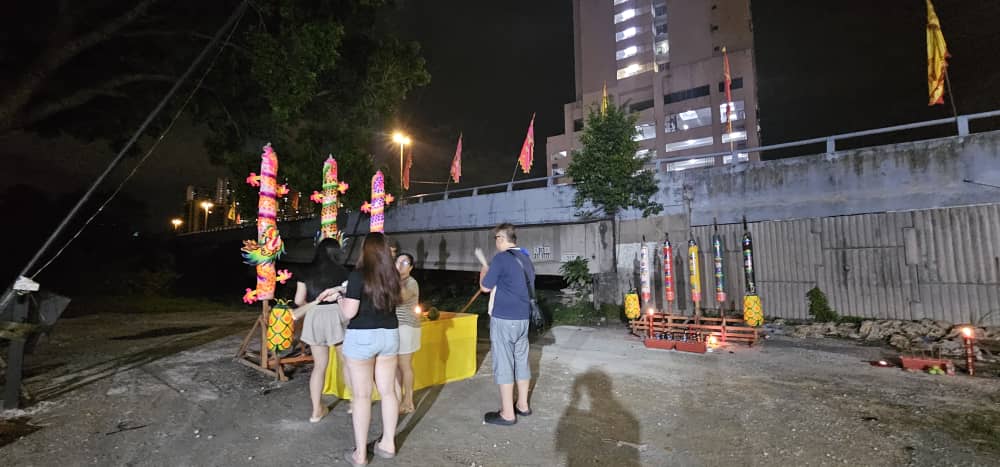
Also known as the Ullambana Festival or Ullambana Ceremony, Zhongyuan Pudu is a traditional ritual held during the Ghost Festival.
In Malaysia’s Chinese communities, the Zhongyuan Pudu typically blends Taoist rituals to appease wandering spirits, Buddhist pratices of dedicating merit to one’s parents, and Confucian traditions of ancestor worship.
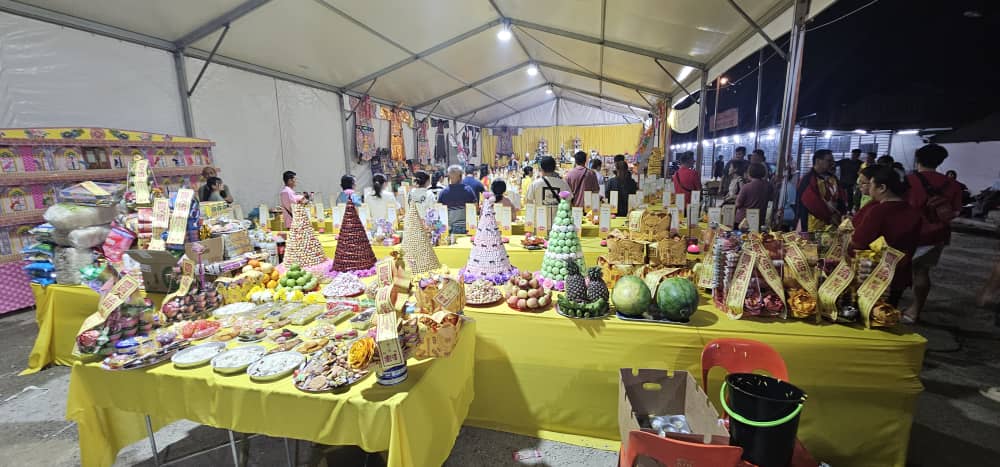
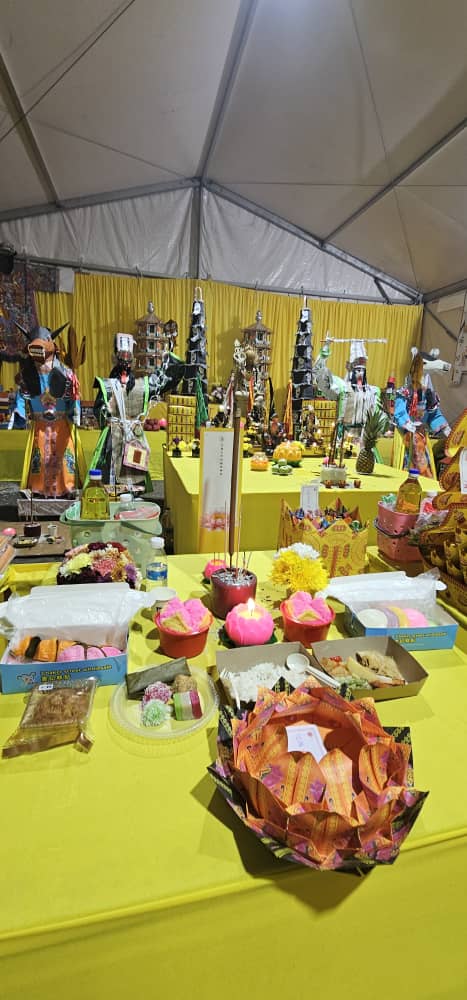
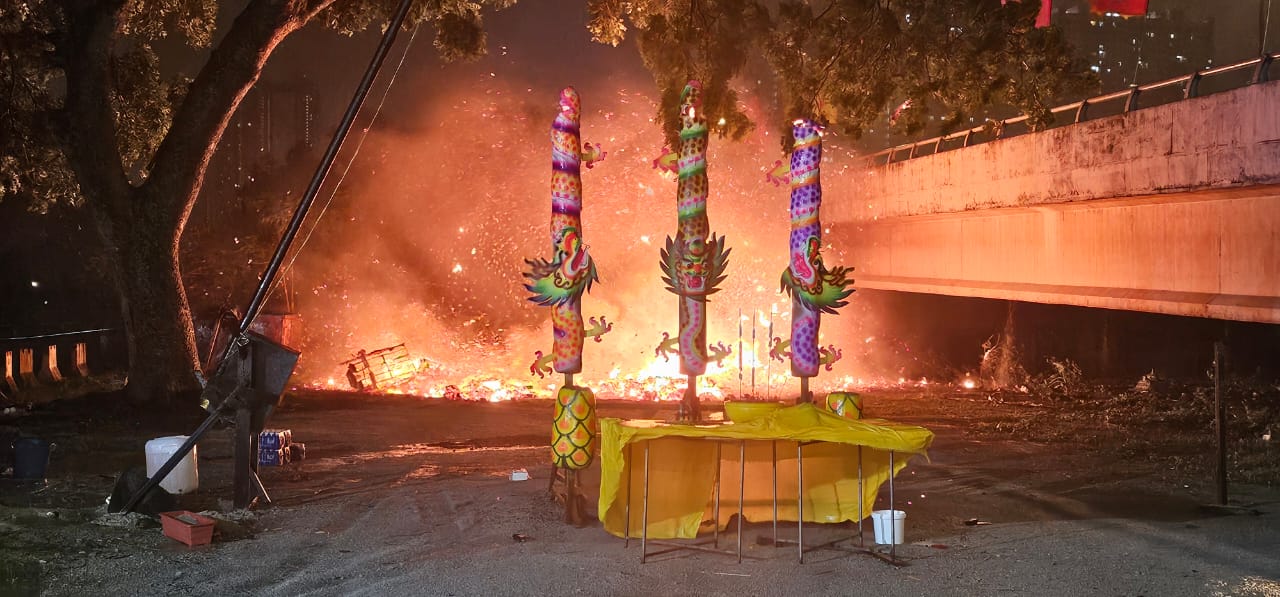
During the seventh lunar month, many temples across Malaysia hold Pudu ceremonies. Temporary sheds and altars are set up, often featuring a large big paper statue of Da Shi Ye(King of Ghosts). People bring many offerings and paper items to pray for and show respect to the departed souls. People pray to Da Shi Ye first to make sure the ceremony goes well, and at the end of the festival, we burn Da Shi Ye’s paper statue to send him back to heaven.
At the same time, temporary stage are built for Chinese Opera or singing performances−such as Hokkien opera, Teochew opera, or puppet shows to entertain the wandering spirits. In recent years, modern singing and dancing shows have also become part of the Pudu celebrations.
In Malaysia, where many Chinese descendants came from Fujian and Guangdong, this festival combines Taoist salvation rituals, Buddhist merit-making, and Confucian ancestor worship, reflecting a unique cultural fusion.
Ultimately, beyond religion or superstition, the Zhongyuan Pudu emphasizes filial piety, kindness, compassion− these core virtues deeply rooted in Chinese culture. As the saying goes: “If one lives with a clear conscience, one need not fear a knock at the door in the middle of the night.” Instead of feeling anxious during the Ghost Month, We should live righteously and do good deeds, for virtue itself brings peace.

Author of this article

Related articles
-
 Meet My “Family,” My Pet Cat! (Morita Edition)
 -
Introduction to AI Utilization
-
A Spring Flower-Viewing Journal
-
[Company Event] FY2026 Azalea Viewing Party
-
Introduction to Environmental Initiatives
-
Album I Was Into Back Then:⑤Everyone is Normal(GESU NO KIWAMI OTOME.(Lowest Lowest Girl))
-
[Event Report] Okudaya Giken’s 91st Anniversary! A Thrilling Arm Wrestling Tournament and a Bond-Deepening BBQ
-
[Kansai Logistics Exhibition 2026 Report] There is an Optimal Solution for Every Worksite. Launching “OPK WORKS”, Bringing Together the Pride of Okudaya Giken.